
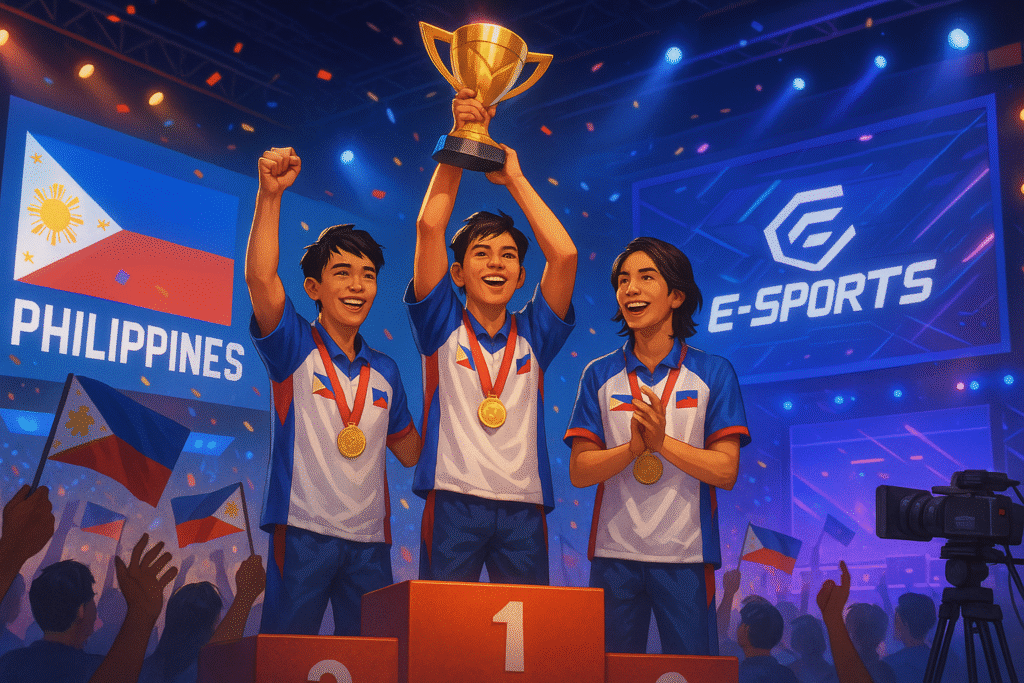
E-sports in the Philippines has become more than just competitive gaming; it has evolved into an entire ecosystem that reshapes how Filipinos consume entertainment and imagine their futures. From grassroots tournaments to professional leagues, the industry has opened fresh opportunities for work, creativity, and community-building across the archipelago.
At the foundation of this ecosystem are the players. Many of them started out in modest settings: local internet cafés, school clubs, and small online tournaments. As online platforms made it easier to compete and be noticed, talented individuals were recruited by organizations and brands. These players now train rigorously—often scrimming for hours daily, reviewing replays, studying opponents, and balancing physical and mental conditioning to stay sharp.
Surrounding the players are support roles that mirror traditional sports. Coaches craft strategies and draft plans, while analysts break down statistics and gameplay patterns. Team managers handle logistics, contracts, and travel arrangements. Content creators produce vlogs, highlights, and behind-the-scenes footage, turning players into relatable personalities and building fan loyalty. This network transforms solitary gaming into a structured team effort.
The entertainment value of e-sports has expanded significantly. Filipino fans follow tournaments the way others track basketball or boxing. They schedule their days around big matches, debate strategies on social media, and rally behind their favorite teams with handmade banners and creative fan art. Livestreams feature live chats where thousands of viewers react in real time, creating a shared experience even when everyone is watching from home.
Educational institutions are slowly recognizing the potential of this phenomenon. Some universities and colleges in the Philippines have started exploring e-sports clubs, varsity programs, and related courses. These programs can cover not only gameplay, but also event management, digital marketing, broadcasting, and game development. While the scale is still growing, this attention signals that e-sports is being taken more seriously as a field with academic and professional value.
Economically, the impact is multifaceted. Tournaments create demand for venues, production crews, lighting and sound specialists, and event staff. Online, streamers and casters earn income through ads, sponsorships, and fan donations. Local businesses benefit from gaming cafés, PC and console shops, and merchandise like team jerseys and peripherals. For some families, a child’s success in e-sports has provided financial support and new possibilities that would have been difficult through traditional paths alone.
However, the rise of e-sports also brings responsibilities. Young aspirants must learn to navigate contracts, time management, and the risk of putting all their hopes into a competitive career that can be short-lived. Burnout, eye strain, poor posture, and lack of work-life balance are real concerns. There is also the pressure of public scrutiny; a high-profile mistake in a major match can attract intense criticism online.
Parents, educators, and industry leaders in the Philippines are beginning to adapt. Many advocate for balanced approaches: encouraging disciplined practice while prioritizing education, physical health, and emotional well-being. When guided properly, e-sports can offer not only entertainment, but also life skills such as teamwork, strategic thinking, resilience under pressure, and communication.
Ultimately, the development of e-sports in the Philippines has expanded the definition of what entertainment can look like. It has shown that a passion for gaming can lead to meaningful work and active communities—provided that the people involved build structures that are sustainable, ethical, and inclusive for the next generation of Filipino gamers.