
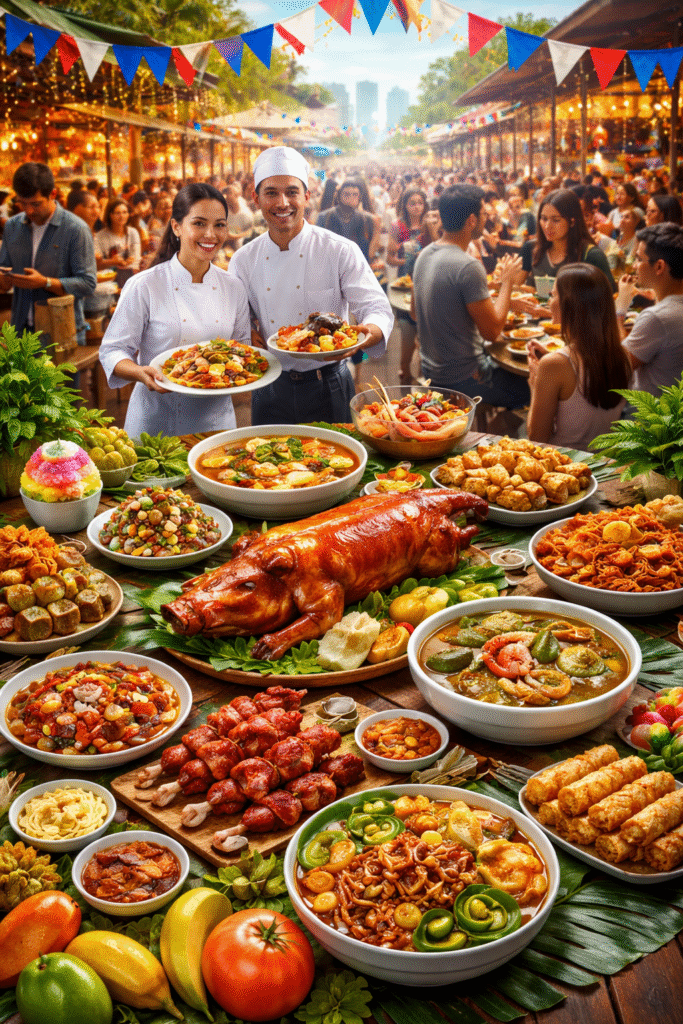
In recent years, Filipino cuisine has seen a surge in international recognition, gaining the attention of food lovers, chefs, and culinary critics across the globe. This once-overlooked food culture, often overshadowed by the more popular cuisines of neighboring countries, is now steadily gaining ground as one of the most exciting and diverse culinary traditions in the world.
One of the key factors behind the rising popularity of Filipino food is its unique approach to flavor combinations. Filipino cuisine is known for blending various tastes—salty, sweet, sour, and bitter—within a single dish, creating a balance of complex and harmonious flavors. Dishes like adobo, a marinated meat stew with vinegar and soy sauce, and sinigang, a tangy and savory soup with tamarind, are prime examples of how Filipino chefs effortlessly fuse contrasting tastes. This flavor diversity makes Filipino food appealing to a wide range of palates, which is one reason it has garnered interest beyond the Philippines.
The impact of Filipino chefs on the global food scene has also been significant. Renowned chefs such as Claude Tayag and Margarita Fores have introduced modern interpretations of traditional Filipino dishes, allowing international diners to experience Filipino food in a new light. These chefs bring creative flair to Filipino cuisine, making it both innovative and accessible to a broader audience. Their work in prestigious international restaurants and food events has introduced Filipino food to new markets, sparking curiosity and admiration.
Another contributing factor to Filipino cuisine’s rise on the world stage is the growing number of Filipino restaurants that have opened internationally. Major cities, such as New York, San Francisco, and Sydney, now host a vibrant array of Filipino eateries, ranging from casual dining spots to high-end establishments. These restaurants offer a wide range of Filipino dishes, from iconic street foods like balut (fertilized duck egg) and lumpia (spring rolls) to hearty meals like pancit (noodles) and lechon (roast pig). As more people become exposed to Filipino food, its reputation continues to spread.
Moreover, Filipino cuisine has found its place in the digital age, thanks to the power of social media. Platforms like Instagram, YouTube, and TikTok have enabled food influencers and chefs to share their love for Filipino dishes with a vast online audience. Food bloggers and vloggers, who specialize in Filipino recipes, often upload cooking tutorials and restaurant reviews, further promoting Filipino cuisine’s global appeal. The visual appeal of many Filipino dishes, characterized by vibrant colors and stunning presentations, has made them a hit on these platforms, drawing more attention to the cuisine.
The increasing interest in Filipino cuisine has also brought attention to the cultural richness behind each dish. Many Filipino recipes have been passed down through generations, with influences from the country’s Spanish, Chinese, and American colonial past. These historical connections give Filipino food a unique cultural depth, offering a window into the Philippines’ diverse heritage. Dishes like bicol express, a spicy coconut milk-based dish, and sarap (tasty) food like kare-kare, a peanut-based stew, tell stories of the Philippines’ history and the creativity of its people.
With this combination of exceptional flavors, rich history, and growing exposure, Filipino cuisine is steadily establishing itself as a culinary force to be reckoned with on the global stage. The continued expansion of Filipino food into new markets, coupled with the efforts of talented chefs and food entrepreneurs, ensures that this vibrant and diverse cuisine will keep evolving and gaining recognition worldwide.