
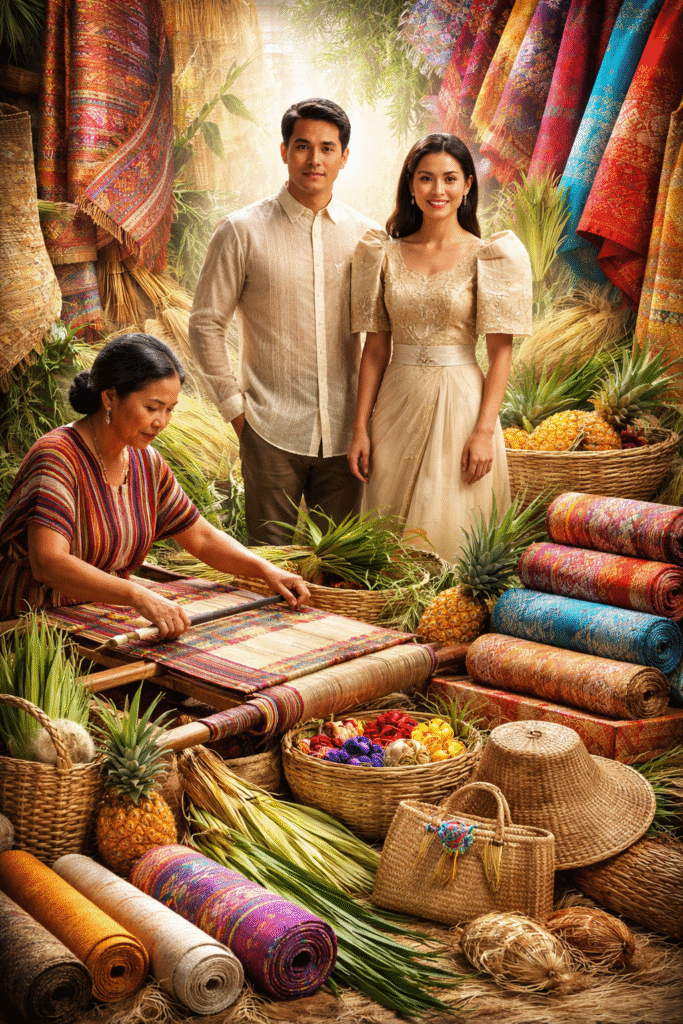
Filipino fashion is a blend of creativity, tradition, and artisanal craftsmanship, with textiles playing an integral role in shaping the country’s sartorial identity. The Philippines boasts a wide variety of indigenous fabrics and weaving techniques, each telling its own unique story and deeply rooted in the nation’s cultural history. From the famous piña cloth to abaca, Filipino textiles offer a window into the rich cultural heritage and craftsmanship that define the archipelago.
A key element of Filipino textiles is the weaving process itself, which is often done by hand using traditional looms. This meticulous technique requires a great deal of skill and patience. Weaving is not just a form of artistry; it is also a reflection of the community’s values, history, and connection to nature. Indigenous communities in the Philippines have mastered this craft, preserving it through generations and passing down the knowledge of weaving and textile production.
One of the most notable fabrics in Filipino fashion is the piña fabric, which comes from the leaves of the pineapple plant. Piña is prized for its delicate and lightweight texture, making it ideal for creating intricate, formal clothing such as the traditional barong Tagalog or terno. The weaving of piña requires both skill and precision, as the fibers must be carefully extracted and spun into threads before being woven into cloth. The resulting fabric is not only beautiful but also has a history of use in ceremonial attire, with its light and airy texture symbolizing purity and grace.
Another widely recognized fabric is abaca, a type of banana fiber that is used to create strong, durable textiles. Abaca is commonly woven into mats, baskets, and other household items, but it is also used in fashion. Abaca fabrics are often employed for casual wear or functional pieces, with their natural strength making them a popular choice for accessories like handbags and shoes. Abaca’s versatility has also led to its use in modern fashion collections, where designers are incorporating this sturdy fabric into innovative designs.
The weaving process is deeply intertwined with the lives of many Filipino communities, especially in rural areas. Communities in the Cordillera region, for example, are known for their intricate and vibrant textile patterns, which often symbolize their connection to the land and nature. These patterns are woven into traditional garments such as the “ikat,” which is a type of tie-dye technique that involves dyeing the threads before they are woven into fabric. The patterns and colors of these textiles often reflect the community’s customs, beliefs, and surroundings, offering a visual narrative of their history and lifestyle.
In the contemporary fashion world, Filipino designers have embraced these traditional fabrics to create modern, globally competitive fashion collections. They have incorporated local textiles into high-end couture, showcasing the versatility of Filipino materials on the international stage. Designers like Anne Curtis, Bea Valdes, and Rajo Laurel use indigenous fabrics to create modern versions of the traditional Filipino attire, ensuring that these cultural practices continue to evolve and gain global recognition.
The beauty of Filipino textiles lies in their diversity and the way they represent different regions, cultures, and histories. Whether it’s the silky smoothness of piña or the rugged durability of abaca, these fabrics tell a story of the Filipino people’s ingenuity and respect for their natural surroundings. As more designers and consumers look to embrace sustainable fashion, Filipino textiles offer a rich and sustainable option that is both beautiful and culturally significant.