
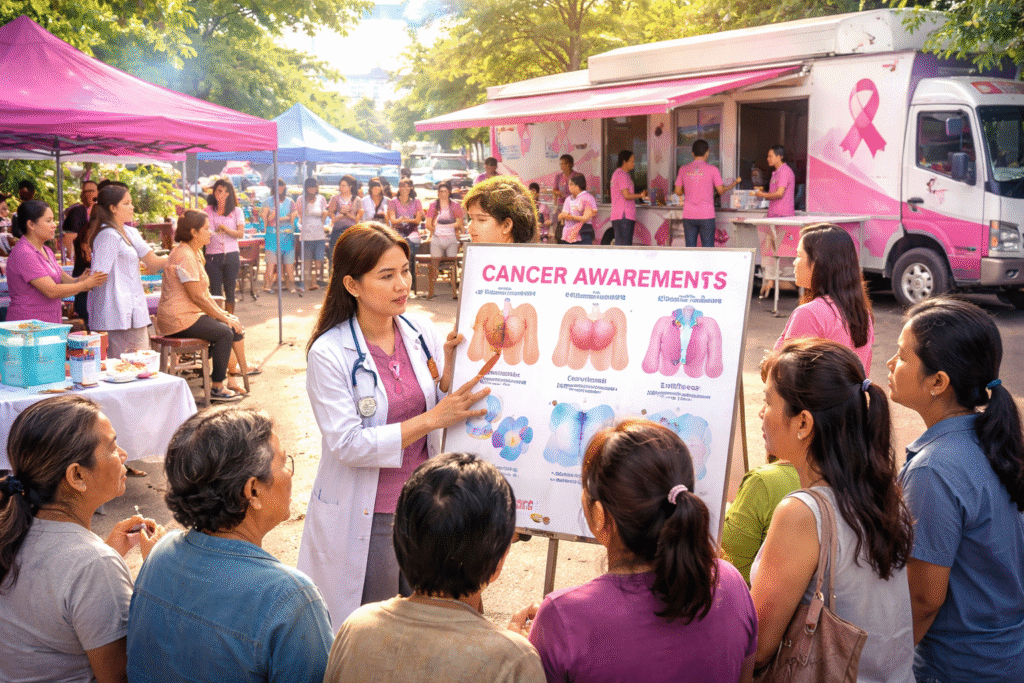
In the Philippines, cancer has become one of the most significant public health challenges, affecting a wide range of individuals across different age groups. However, the increasing number of cancer-related deaths in the country is not just due to the disease itself but also the low levels of awareness regarding prevention, early detection, and treatment options. This lack of knowledge often leads to late-stage diagnoses, where treatment options are limited and survival rates decrease.
To combat this, various stakeholders in the country have come together to promote cancer awareness and to stress the importance of early detection. Public health campaigns are working tirelessly to educate the population about the risk factors associated with cancer, including tobacco use, poor diet, and exposure to harmful chemicals. These campaigns emphasize that early detection is key to improving the prognosis of cancer patients, as catching the disease in its early stages allows for more effective treatments, such as surgery or radiation therapy.
The Philippine Department of Health has rolled out several initiatives aimed at increasing cancer awareness among Filipinos, with a particular focus on breast and cervical cancers, which are among the most prevalent types in the country. Through seminars, mass media programs, and partnerships with local health organizations, these campaigns aim to reach a broad audience and instill the importance of regular self-exams and clinical screenings.
Moreover, the Philippine Cancer Society (PCS) has taken a leadership role in spearheading cancer-related advocacy work. They conduct information drives that educate people on cancer symptoms, risk factors, and the vital importance of annual health check-ups. Their goal is to create a society where cancer is detected early, allowing for timely intervention and saving lives.
Community-based efforts are also being intensified to ensure that cancer screenings are available even in remote areas of the country. Mobile health clinics are particularly effective in rural regions where people are otherwise unable to travel long distances to access healthcare. These mobile units conduct free screenings and provide information about cancer prevention, making a significant impact on cancer awareness in underserved communities.
The challenge remains, however, to overcome the stigma surrounding cancer and increase proactive healthcare practices in the population. In many cases, cultural barriers and misconceptions about cancer lead to delayed treatment, making education even more essential in changing attitudes and behaviors.