
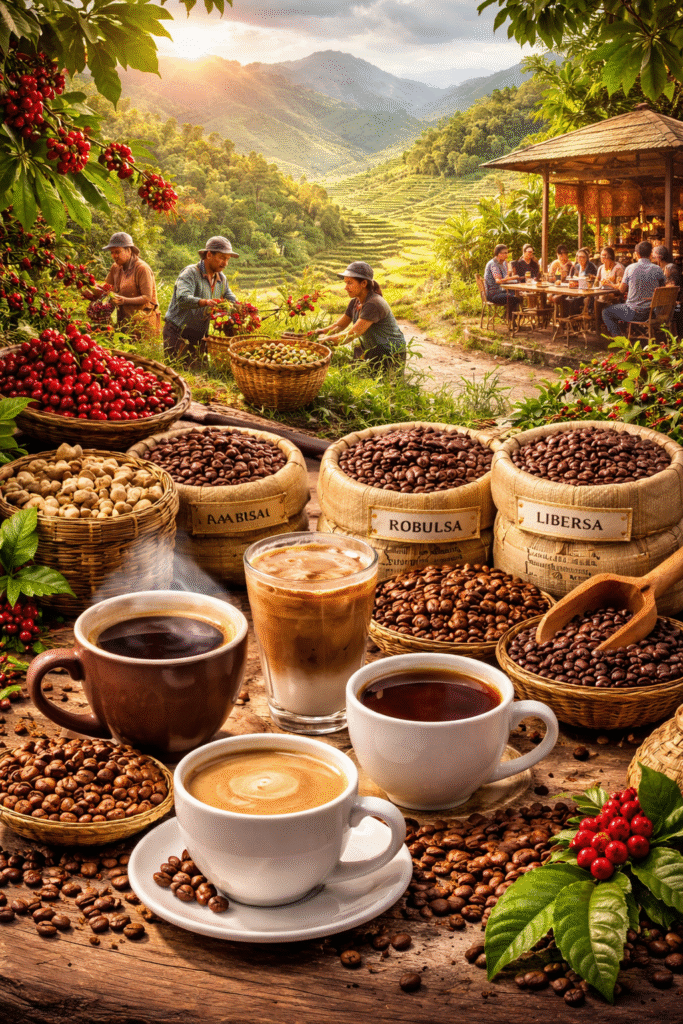
The Philippines is a country with a rich and diverse coffee heritage, one that has often been overshadowed by more well-known coffee-producing nations. However, in recent years, Filipino coffee has begun to make waves both locally and internationally. With a history steeped in tradition and a future filled with potential, Filipino coffee culture offers a fascinating exploration of the country’s agricultural practices, regional differences, and the impact of coffee on daily life.
The Arrival of Coffee in the Philippines
The history of coffee in the Philippines dates back to the early 18th century, when the Spanish brought coffee plants to the country. By the 19th century, coffee became a major industry in the Philippines, and the country was one of the largest exporters of coffee in Asia. However, the Filipino coffee industry went through a significant decline due to factors such as pest infestations and competition from other coffee-producing nations.
Despite these challenges, the coffee industry in the Philippines has experienced a resurgence in recent decades. Local coffee farmers have worked hard to revitalize the industry, focusing on quality and sustainability. Filipino coffee is now gaining recognition for its unique taste and the passion behind its cultivation.
Types of Coffee Grown in the Philippines
Filipino coffee is diverse, with several different types grown across the archipelago. The four primary varieties of coffee found in the Philippines are Arabica, Robusta, Liberica, and Excelsa, each with distinct characteristics that reflect the country’s varied climate and topography.
- Arabica: Arabica coffee is prized for its smooth and well-balanced flavor profile. It is typically grown in high-altitude areas such as Benguet and Batangas. Arabica beans are known for their mild acidity, bright flavor, and subtle sweetness, making them a popular choice for both local and international markets.
- Robusta: Robusta coffee is stronger and more bitter than Arabica, with a higher caffeine content. It is grown at lower altitudes, particularly in provinces such as Cavite and Quezon. Robusta is commonly used in instant coffee blends and is a staple in many Filipino households.
- Liberica: Also known as “Barako,” Liberica coffee is a unique and bold variety that has become a symbol of Filipino coffee culture. Grown primarily in Batangas and Cavite, Barako coffee is known for its intense, smoky flavor with hints of chocolate and a subtle fruitiness. It is a favorite among many Filipinos for its strong and robust taste.
- Excelsa: Excelsa is a rare variety that combines characteristics of both Liberica and Arabica. It is known for its fruity, tangy flavor profile and is grown in regions such as Nueva Vizcaya. Excelsa beans are highly sought after by specialty coffee roasters and offer a distinctive taste for those seeking something unique.
The Role of Coffee in Filipino Culture
In the Philippines, coffee is more than just a drink—it’s a vital part of daily life. Coffee breaks are a time for people to connect with one another, whether it’s with family, friends, or colleagues. Many Filipinos enjoy their coffee with pan de sal or other local treats, turning the simple act of drinking coffee into a social event.
Coffee consumption in the Philippines is often linked to certain rituals and traditions. For example, kape barako is frequently served during festive gatherings or as a way to welcome guests. The drink’s robust flavor has become a source of pride for many Filipinos, who view it as a symbol of their heritage.
Sustainable Coffee Practices in the Philippines
The Filipino coffee industry is becoming increasingly focused on sustainability. Coffee farmers are adopting organic farming methods, and several coffee cooperatives are working to ensure that their production processes are environmentally friendly. Sustainable practices help protect the country’s unique coffee-growing regions and contribute to the livelihoods of local farmers.
Many farmers are also engaging in direct trade relationships with coffee buyers, ensuring that they receive fair compensation for their products. This shift toward fair trade practices is helping to improve the overall quality of Filipino coffee and supporting the growth of the local coffee industry.
The Rise of Specialty Coffee
The specialty coffee scene in the Philippines has been growing rapidly in recent years. New cafes and coffee shops are opening in cities across the country, offering high-quality beans and innovative brewing methods. Filipino baristas are gaining recognition for their expertise, and the country is seeing an influx of local roasters who are focused on showcasing the best of Filipino coffee.
Specialty coffee shops have become popular destinations for coffee enthusiasts, and many are offering unique blends made from locally sourced beans. These establishments are also championing sustainability by sourcing beans directly from local farmers and supporting ethical production practices.