
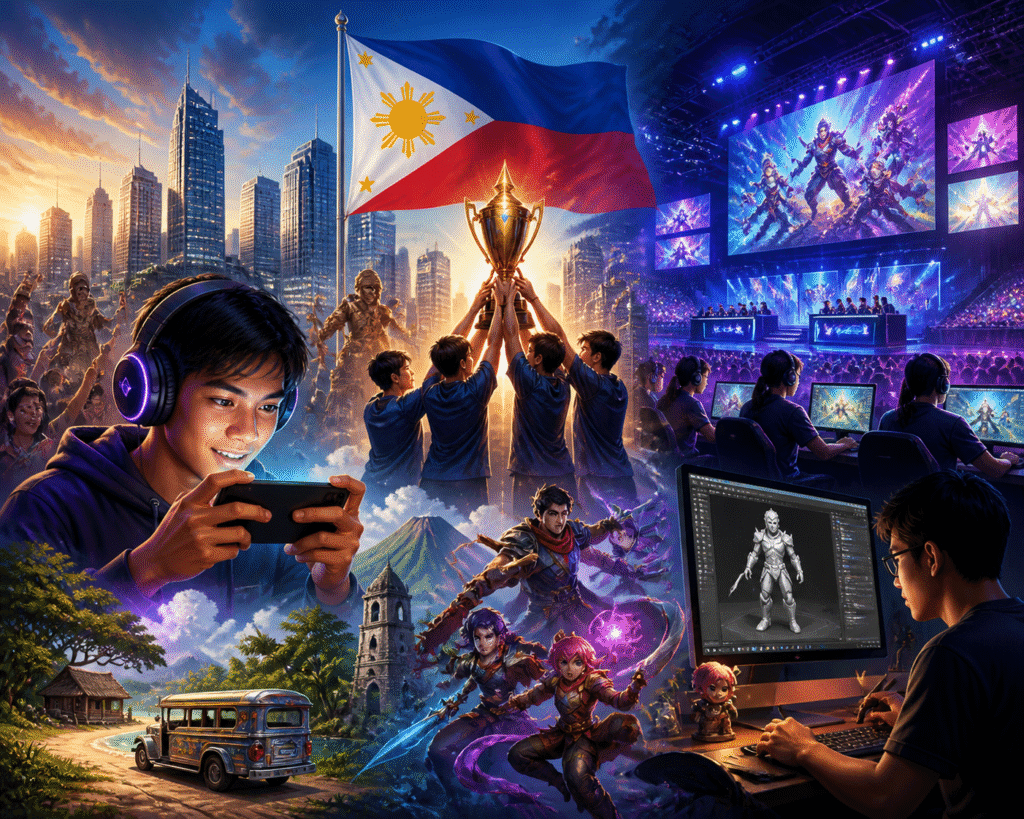
The gaming sector in the Philippines is experiencing rapid growth, making it an exciting time for both local entrepreneurs and global corporations. As one of the fastest-growing digital markets in Southeast Asia, the country offers numerous opportunities for the gaming industry to expand and evolve. With a youthful population and a strong online presence, the Philippines is becoming a hotspot for game developers, players, and investors alike.
Booming Mobile Gaming Market
One of the most prominent trends in the Philippines gaming industry is the dominance of mobile gaming. With over 80% of the population using smartphones, mobile games have become the primary form of gaming for Filipinos. This trend is expected to continue growing, as mobile games offer an accessible and affordable way to entertain millions of people, regardless of age or income.
Games such as Mobile Legends: Bang Bang and PUBG Mobile have amassed huge followings, and in-game purchases are a major revenue stream for developers. As the smartphone market expands, so too does the potential for new game releases targeting the Philippine market, making it a strategic location for game publishers looking to break into the Southeast Asian region.
Local Game Development Scene
While international titles dominate the market, the local game development scene is also growing. The Philippines is home to several successful indie studios, many of which are creating games that reflect the cultural heritage and unique experiences of the country. Games such as Ninja Boy, developed by Ranida Games, have garnered attention both locally and internationally, showcasing the creative talents of Philippine developers.
Government support for startups and increased collaboration between educational institutions and gaming companies have also spurred the growth of local development. Initiatives such as game development competitions and hackathons have encouraged young talent to pursue careers in game design, programming, and animation. The future looks promising for local game developers, with increasing opportunities for them to showcase their work on global platforms.
The Thriving Esports Industry
Esports is another sector that has seen tremendous growth in the Philippines. Esports tournaments now attract thousands of fans, with some events offering significant cash prizes. The Pilipinas Esports Organization and Cebu Esports are among the top entities that organize professional competitions, and major brands are beginning to sponsor local teams, providing financial support and building the professional infrastructure for esports.
The rise of esports has also led to a surge in gaming streamers and influencers, particularly on platforms like Twitch, YouTube, and Facebook Gaming. Streamers such as Alodia Gosiengfiao have gained large followings, helping to further boost the visibility of the gaming industry in the Philippines.
Infrastructure and Market Challenges
Despite the opportunities, the Philippine gaming industry still faces several challenges. One of the biggest issues is the country’s internet infrastructure, which can be inconsistent, particularly in rural areas. A reliable, high-speed internet connection is critical for multiplayer games and esports events, and until this issue is addressed, it could limit the growth potential of the industry.
Another challenge is the need for more investment in game education. While there is a growing interest in game development among young Filipinos, there remains a shortage of skilled professionals in the industry. Greater focus on training programs and creating partnerships between universities and gaming companies will be essential in cultivating a competitive workforce.
International Collaboration and Investment
The Philippines has also attracted international attention as an emerging market for gaming. Global companies are investing in the country’s gaming sector, seeing the potential for growth in a country with a large, young, and digitally savvy population. These partnerships offer the chance for knowledge exchange, technology transfer, and mutual growth between local and international players in the gaming ecosystem.