
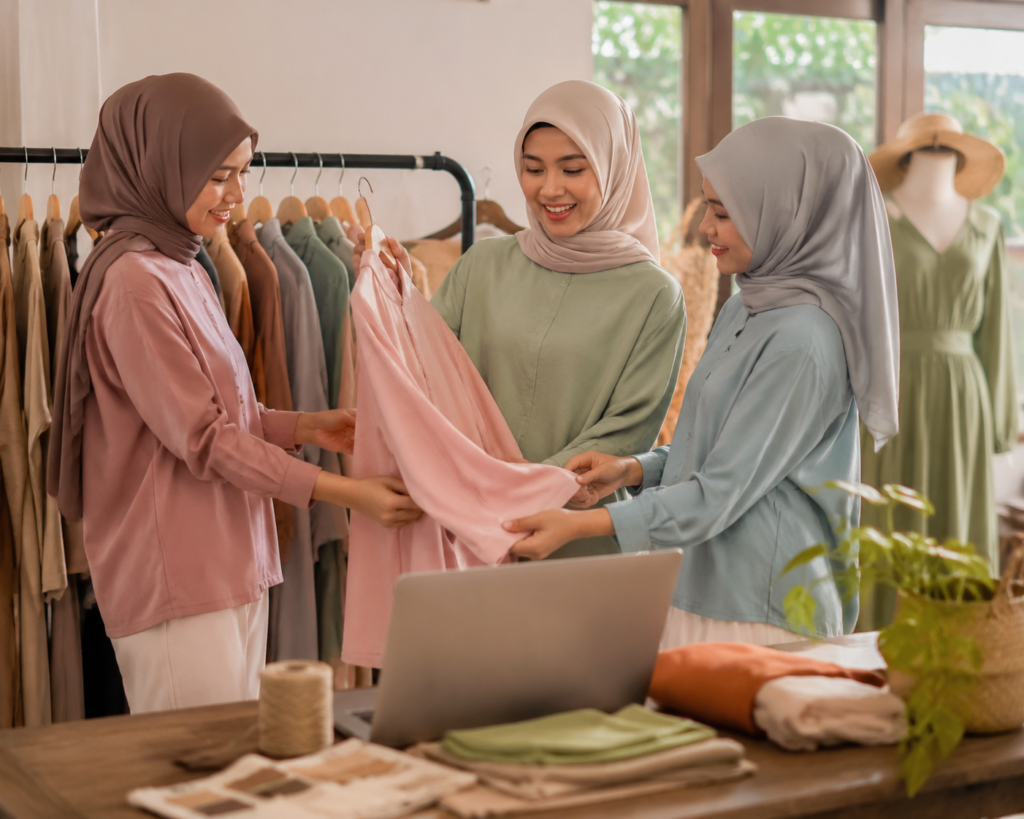
A New Fashion Economy Emerges Through Modest Clothing
The Philippine fashion industry is witnessing a transformation as modest fashion develops from a niche category into a growing lifestyle segment. Driven by cultural awareness, increasing Muslim representation, and digital entrepreneurship, modest clothing has become an important part of the country’s evolving fashion ecosystem.
The movement reflects a broader global trend where consumers increasingly choose fashion based on values, identity, and functionality rather than only appearance.
Cultural Diversity Becomes a Fashion Advantage
The Philippines has a diverse cultural landscape, and this diversity plays a major role in shaping modest fashion. Muslim Filipino communities have introduced traditional clothing concepts that are now being redesigned for modern consumers.
In areas such as Mindanao, fashion entrepreneurs are preserving cultural heritage while adapting designs for younger audiences. Modern modest collections often include lightweight fabrics, contemporary cuts, and versatile pieces suitable for urban lifestyles.
This transformation shows how fashion can become a bridge between cultural preservation and modern consumer preferences.
Social Media Creates New Opportunities for Local Brands
The rise of online fashion communities has dramatically changed how modest clothing brands operate. Small businesses can now introduce collections directly to customers without requiring large investments in traditional retail.
TikTok creators, fashion bloggers, and hijab stylists have become important contributors to modest fashion awareness. Through styling videos and educational content, they help normalize modest clothing among broader Filipino audiences.
The Philippine Department of Trade and Industry has highlighted the importance of digital entrepreneurship and online business development for small enterprises. Reference: https://www.dti.gov.ph
This environment allows modest fashion entrepreneurs to expand their reach and compete in a rapidly changing marketplace.
Filipino Creativity Shapes a Unique Modest Fashion Identity
Unlike some international modest fashion markets, Philippine designers often combine Islamic-inspired aesthetics with local creativity. Traditional Filipino fabrics, embroidery techniques, and handmade craftsmanship are increasingly incorporated into modest collections.
This approach creates products that represent both religious values and national identity.
Designers are also focusing on practical fashion needs, including office-friendly outfits, travel clothing, and affordable everyday wear. These innovations help modest fashion become more accessible to different consumer groups.
The Business Potential of Modest Fashion
The future of modest fashion in the Philippines is closely connected with growing interest in ethical fashion, inclusive design, and online shopping.
Brands that understand customer needs, maintain cultural authenticity, and utilize digital marketing strategies have significant opportunities for growth.
The Philippine modest fashion movement represents more than a clothing trend. It reflects changing consumer attitudes, expanding entrepreneurship, and the increasing importance of representation within the fashion industry.