
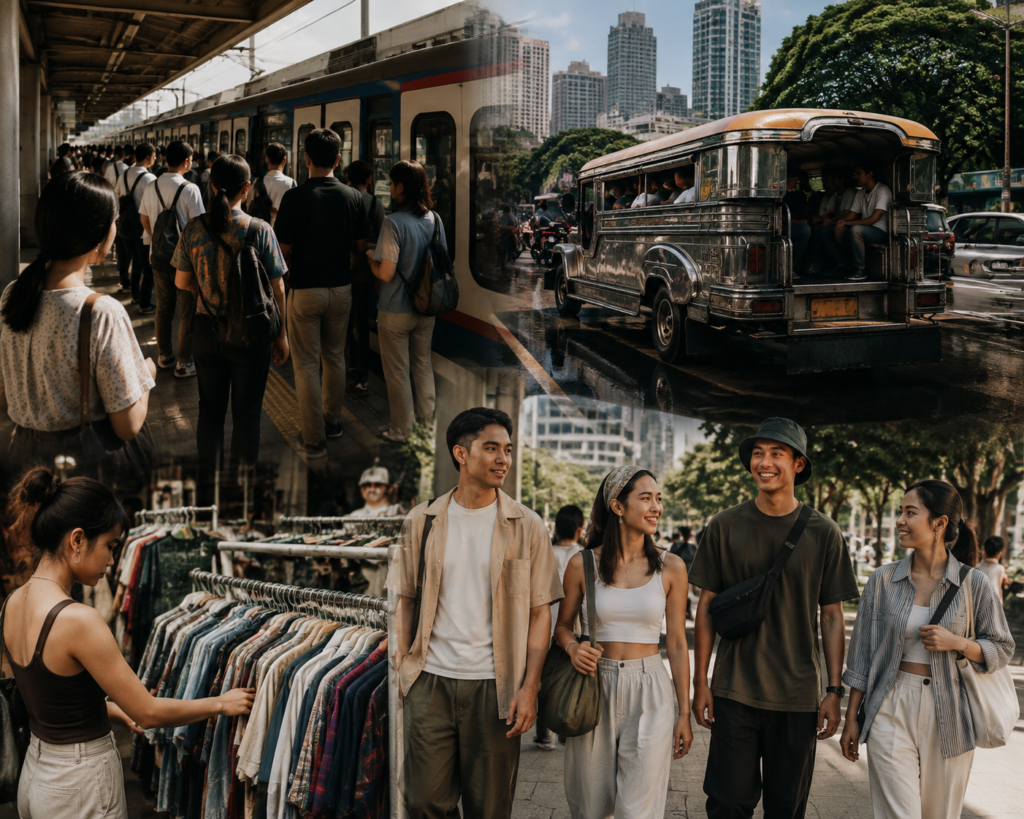
The Hybrid Wardrobe Split
Cebu City’s IT parks and BPO towers no longer fill up five days a week. Hybrid schedules have created a new breed of worker who needs to look sharp on camera at 9 AM and comfortably grab coffee at IT Park by 3 PM. This has erased the old boundary between “pang-opisina” and “pambahay,” birthing a polished casual uniform built around structured tops, elastic-waist trousers, and breathable blazers that read professional on Zoom but feel like leisurewear off-screen. The result is a fluid closet where one piece must perform multiple roles in a single day.
Cebu’s Local Design Response
Cebuano designers are answering the hybrid call with intentional versatility. Boutique brands in Banilad and Lahug now market “24-hour pieces”—garments tested for indoor air-conditioning, outdoor humidity, and the chair-to-couch transition. Seamstresses working with katsa and cotton-linen blends are producing sets that look tailored but move like loungewear. The shift has economic teeth: the Philippine Statistics Authority’s 2026 Family Income and Expenditure Survey noted that average clothing spending in Central Visayas rose 5.2%, driven largely by hybrid-work wardrobe investment (PSA 2026 FIES Preliminary Results). Workers aren’t buying more; they’re buying smarter, multifunctional staples.
The Instagram “Work Chic” Experiment
In early 2026, a Cebu-based coworking hub, The Company Cebu, launched a #WorkChicCebu challenge, inviting freelancers and tech employees to document a single outfit transitioning from a client call to a sunset meeting at a Kasambagan café. The entries flooded Instagram Reels, each demonstrating how a crisp linen overshirt or a wrap skirt could be boardroom-appropriate yet pedestrian-friendly. The challenge spotlighted a deeper behavioral change: dressing for the schedule, not the setting. The popularity of the hashtag drew local fashion retailers to offer hybrid capsule collections, proving that Cebu’s style pulse is now defined by flexibility, not formality.
Accessories as Day-to-Evening Anchors
Bags and footwear have become the hinges of the hybrid look. A structured woven tote carries a laptop and a pair of sandals; platform slip-ons serve both air-conditioned floors and al fresco dinners. These small, deliberate choices reflect a city that has stopped dressing for a single destination. Cebu’s daily fashion narrative is no longer about power dressing but about seamless mobility—a reflection of how work itself now moves through space and time.