
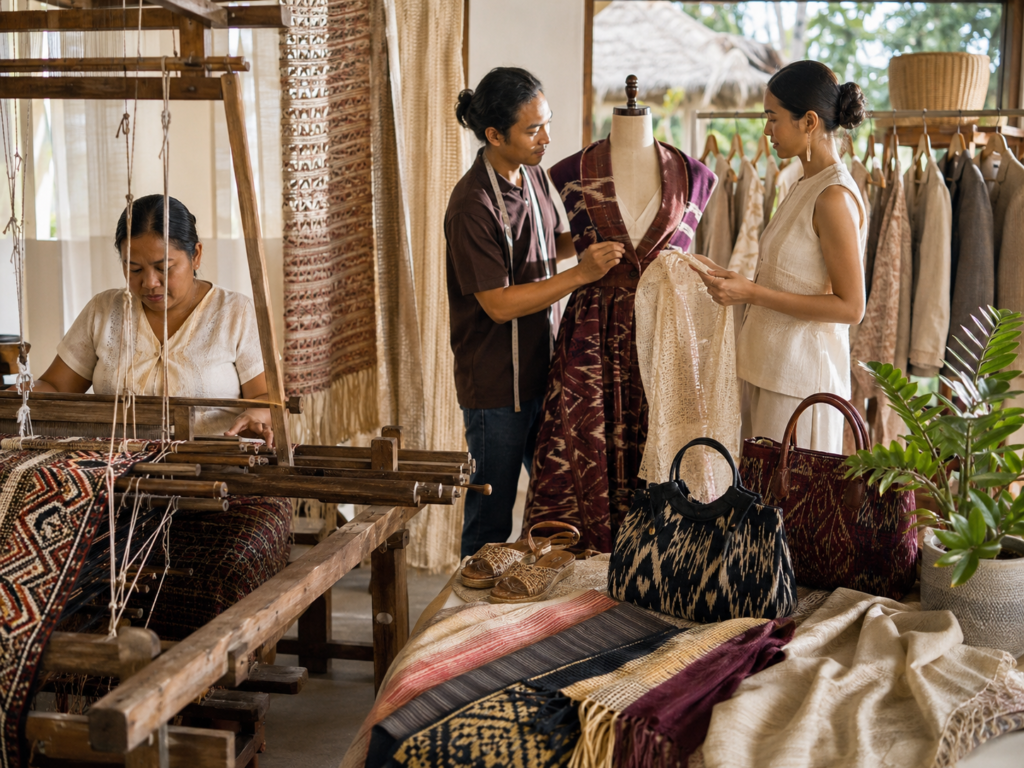
A New Era of Cross-Border Fashion Collaboration
The Philippine fashion industry is entering a new chapter in 2026, as local artisans and international designers forge partnerships that bridge cultural tradition and contemporary style. Handwoven fabrics like piña, T’nalak, and abel Iloco are now being used in collections sold from Manila to Milan. These collaborations are not simply about blending aesthetics; they create real economic opportunities for rural weaving communities and position the Philippines as a serious player in the global fashion conversation.
Why Global Brands Are Turning to Filipino Artisans
International fashion houses are drawn to Philippine textiles for their rarity, craftsmanship, and sustainability story. Unlike mass-produced fabrics, each piece of handwoven piña or T’nalak carries a distinct cultural signature. In 2026, more global brands are choosing to work directly with community-based weaving groups rather than through intermediaries. This approach ensures fair wages and authentic sourcing. The Department of Trade and Industry’s official website (https://www.dti.gov.ph/) highlights the Go Lokal program as a key platform helping local producers connect with international retail channels.
The Economic Ripple Effect on Local Communities
The surge in international demand is changing lives in weaving regions such as the Ilocos, Aklan, and South Cotabato. Cooperatives that once struggled to find buyers beyond local markets now receive recurring export orders. This stability allows families to invest in education, healthcare, and better equipment. Younger generations, seeing viable livelihoods, are returning to learn traditional weaving techniques. Industry data from early 2026 indicates that textile-related employment in several provinces has risen significantly, driven by these cross-border partnerships.
Preserving Culture Through Fair-Trade Agreements
As collaborations expand, the Philippines is taking steps to protect the cultural heritage embedded in its textiles. Indigenous communities are gaining stronger intellectual property rights over patterns and techniques. International partners are expected to sign agreements that include royalty payments and public acknowledgment of the specific community behind each design. This framework prevents the exploitation of cultural symbols while allowing artisans to benefit from global exposure.
Government Programs and International Trade Platforms
Trade events like Manila FAME, led by the Center for International Trade Expositions and Missions, have become essential venues for connecting Filipino weavers with international buyers. In 2026, the event attracted hundreds of foreign retailers interested in sustainable and story-rich products. The DTI’s Go Lokal initiative has also expanded its e-commerce reach, giving small Philippine brands access to markets in Japan, the United States, and Europe. These platforms reduce traditional barriers to entry and help local producers compete on a global scale.
The Future of Philippine Fashion on the World Stage
Moving forward, industry observers anticipate deeper integration of Philippine textiles into international supply chains. Digital showrooms, cross-border design residencies, and traceability technologies are expected to accelerate the trend. As 2026 progresses, the Philippines is no longer just an inspiration for global designers; it is becoming a co-creator. The blending of local heritage and international style is creating a more inclusive and sustainable fashion ecosystem—one where Filipino artistry is recognized and rewarded worldwide.