
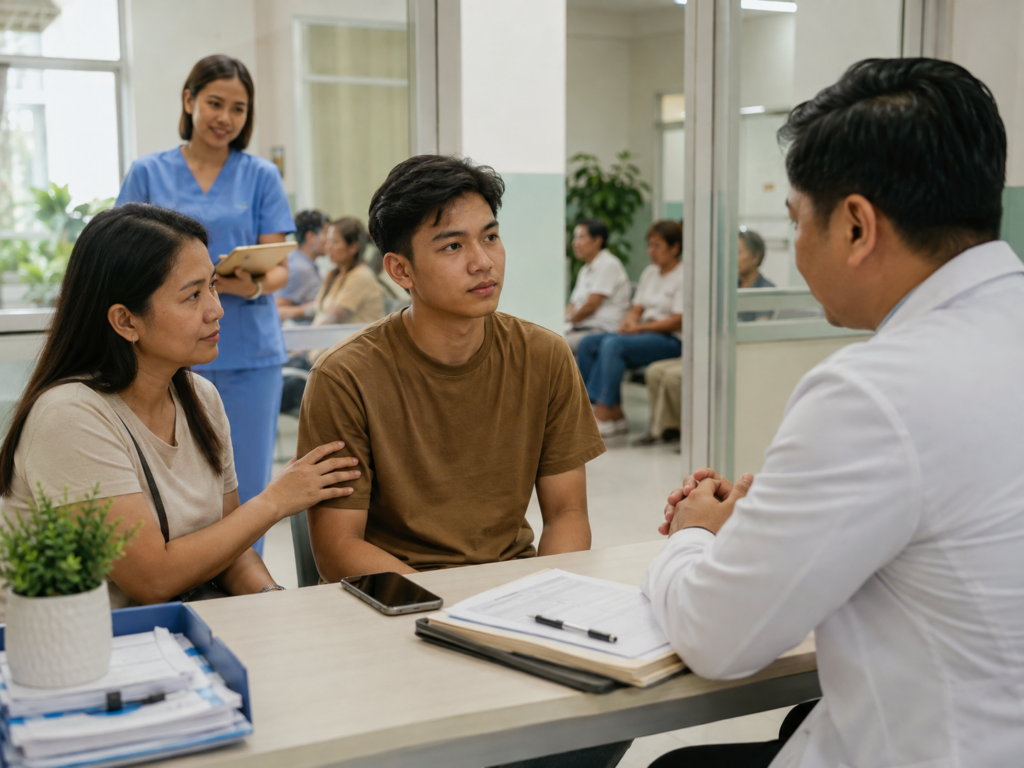
In many parts of the Philippines, the first person to recognize signs of depression or anxiety is not a psychiatrist but a barangay health worker. These community volunteers are becoming the frontliners of mental health care, linking families to clinics and social support systems.
How Barangay Health Workers Identify Mental Health Problems
Under the DOH’s Mental Health Gap Action Programme, barangay health workers learn to screen for common mental health conditions. They ask about persistent sadness, sleep changes, withdrawal, and thoughts of self-harm. When they spot red flags, they refer the person to a rural health unit or a DOH-retained hospital. According to the World Health Organization Philippines, accessible at https://www.who.int/philippines/health-topics/mental-health (accessed April 2026), community-based care is essential because specialist psychiatrists remain concentrated in urban centers.
Reducing Stigma Through House Visits
House-to-house visits allow health workers to talk about mental health in a familiar setting. This approach helps reduce the stigma that still surrounds psychiatric illness in many Filipino households. It also uncovers cases that might otherwise go unreported, especially among older adults and unemployed youth. In provinces such as Iloilo and Cebu, trained workers have begun using simple screening cards translated into local languages.
Peer Support Groups and NGOs
The Philippine Mental Health Association runs chapters in different regions that organize support groups for persons with depression, anxiety, and bipolar disorder. Youth-led organizations such as Silakbo PH and MentalHealthPH host online communities, webinars, and storytelling events. These groups give patients a sense of belonging, which studies show improves treatment adherence and reduces isolation.
Local Government Partnerships in 2026
Several local government units have begun allocating funds for mental health first aid training in schools and workplaces. In Iloilo, Cebu, and Quezon City, pilot programs train teachers and barangay officials to respond to mental health crises. These initiatives align with the Mental Health Act’s push for community-based services. The Philippine National Police and local disaster offices have also integrated psychological first aid in emergency response, making mental health part of community resilience.
How to Find Community Support
Residents can visit their barangay hall or health center to ask about mental health programs. MentalHealthPH’s online directory also lists support groups, hotlines, and partner organizations. Faith-based groups and church counselors often provide free listening services, though they should refer clinical cases to licensed professionals.
Community support in the Philippines is not a substitute for professional care, but it is often the bridge that leads people to treatment. When health workers, families, and peer groups work together, the mental health system becomes more humane and accessible.