
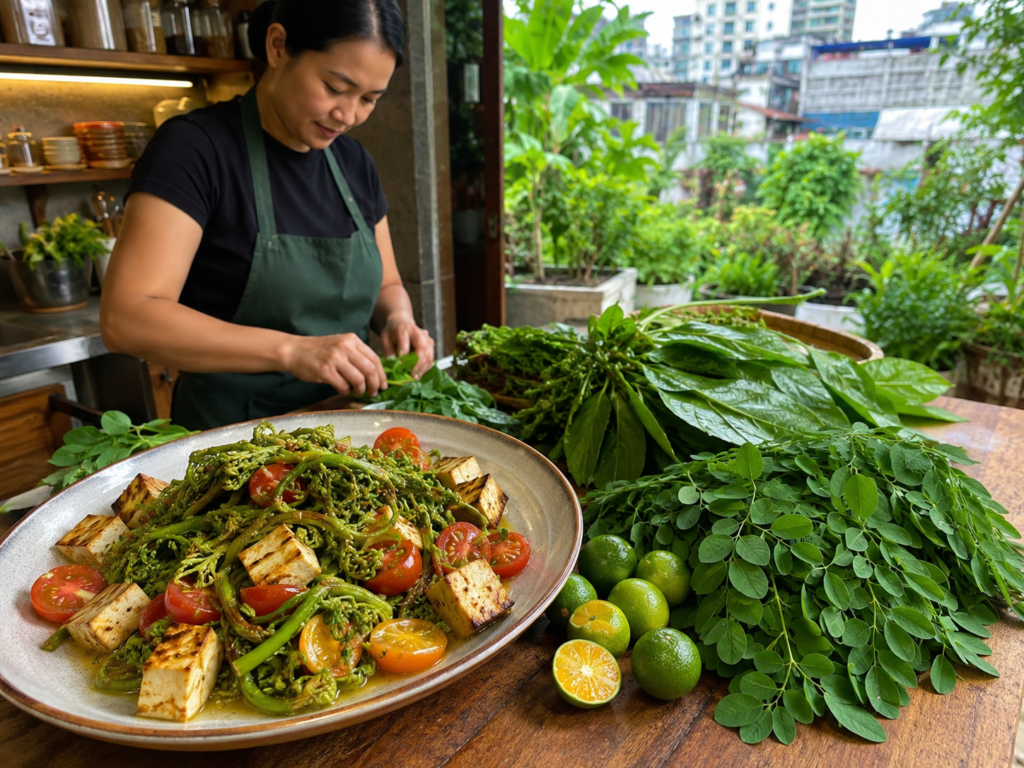
Filipino comfort food carries deep emotional weight, but many classic recipes are also loaded with sodium, saturated fat, and refined carbohydrates. As cardiovascular disease continues to top national mortality charts, 2026 has become the year that home cooks and professional chefs re-engineer adobo, sinigang, and lumpia for heart-smart eating without losing the flavors that define Filipino identity.
The Salt and Fat Problem in Filipino Cooking
The Philippine Heart Association’s 2026 Healthy Heart Kitchen report (https://www.philippineheart.org/) reveals that Filipino adults consume an average of 4,100 milligrams of sodium per day—more than double the World Health Organization’s recommended 2,000 mg. Much of this comes from patis (fish sauce), bagoong (shrimp paste), and soy sauce, which are foundational to adobo and sinigang. Excess sodium contributes to hypertension, which now affects 35% of Filipino adults aged 30 and above.
Air-Frying Lumpia Without Losing Crunch
Lumpia, whether fresh or fried, is a party staple. Traditional deep-frying can cause each roll to absorb up to 25% of its weight in oil, adding unnecessary saturated fat. In 2026, air fryers have become the most-sold kitchen appliance in the Philippines, with recipe videos showing how to achieve golden crispness using only a teaspoon of coconut oil brushed on the wrapper. Chef Ramon Bautista of Kusina Moderna in Makati serves “air-fried lumpiang gulay” with a yogurt–calamansi dipping sauce instead of sweet chili, cutting both fat and sugar while keeping the crisp exterior.
Plant-Based Adobo: Jackfruit and Mushroom Twists
Pork adobo is famous for its tender, fatty chunks steeped in vinegar and soy sauce. The 2026 heart-smart version replaces pork with young green jackfruit, king oyster mushrooms, or soy protein chunks, then simmers them in the same vinegar, garlic, bay leaves, and black pepper. Some restaurants in Poblacion, Makati, offer “adobong pusit” made from konjac to mimic squid’s chewy texture. These plant-based adobos contain zero cholesterol and up to 70% less saturated fat, while the umami from mushrooms and a splash of low-sodium soy sauce preserves the dish’s savory depth.
Sinigang with a Low-Sodium Broth
Sinigang’s sour broth is traditionally seasoned with fish sauce or shrimp paste, which adds significant sodium. Modern recipes use fresh tamarind, kamias, batuan, or green mango for natural acidity, reducing sodium by 40%. Adding more leafy greens like kangkong, malunggay, and sitaw increases potassium, which helps the body excrete excess sodium and lower blood pressure. Dietitians recommend using half the usual patis and finishing with a squeeze of calamansi to heighten flavor without salt.
The rise of healthy Filipino meal kit services has accelerated this shift. Companies like “Healthy Luto” deliver pre-portioned low-sodium sinigang packs, air-fryer-ready lumpia rolls, and plant-based adobo kits to thousands of households in Metro Manila. Their 2026 customer base grew 62% from the previous year, signaling that convenience and health can coexist. As more Filipinos embrace these techniques, the next generation of classic dishes will likely be lighter, cleaner, and just as comforting.