
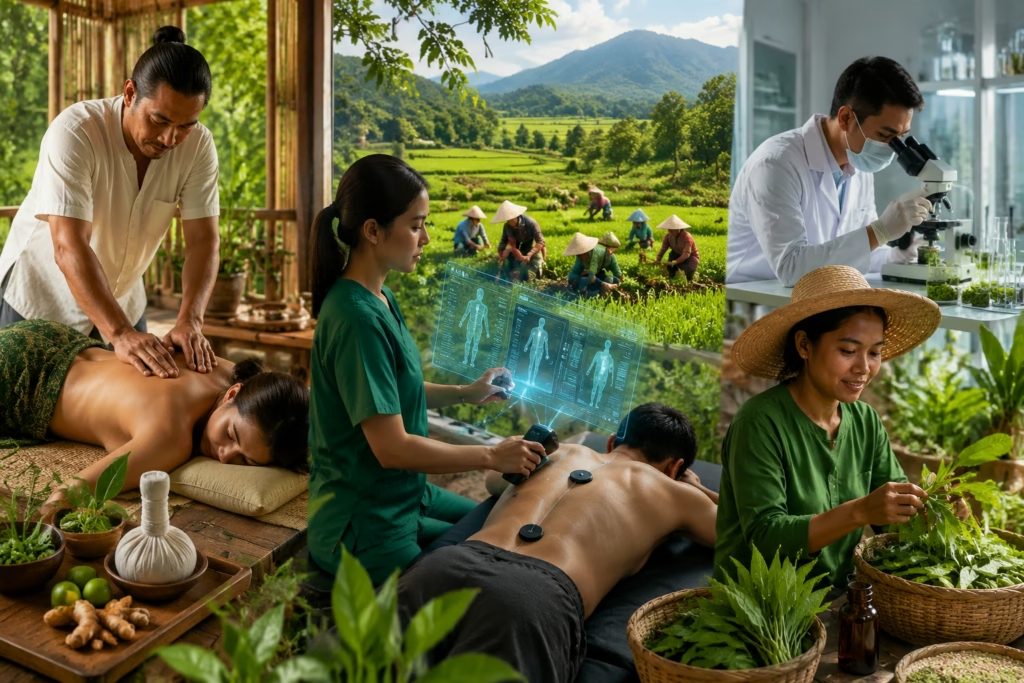
The Philippine archipelago, rich in biodiversity and cultural heritage, is witnessing a health revolution that looks backward to move forward. In 2026, the sterile walls of hospitals are no longer the sole sanctuaries for the sick. Instead, a growing number of Filipinos and international tourists are seeking relief in the lush gardens of herbal farms and the skilled hands of traditional therapists. This movement is not a rejection of science; it is an expansion of it. The year 2026 represents a critical juncture where the empirical wisdom of the albularyo (folk healer) is being decoded, legitimized, and integrated into a modern, holistic approach to human wellness that addresses the body, mind, and spirit.
The Standardization and Certification of Folk Healers
For decades, the primary criticism against traditional medicine was the lack of standardization. In 2026, this gap is rapidly closing. The Philippine government has launched a nationwide accreditation program for Hilot practitioners. This is not merely a licensure; it is an educational overhaul. Practitioners are now required to study basic human anatomy, sanitation protocols, and ethical patient care alongside their traditional apprenticeships. This hybridization ensures that a tourist visiting a wellness spa in Palawan or a local seeking relief in a Quezon City barangay receives a service that is safe, hygienic, and therapeutically credible. This professionalization has elevated the status of the traditional healer, transforming them from marginalized figures into respected health professionals.
Mental Health and the “Talk Therapy” of Traditional Healing
A fascinating trend in 2026 is the integration of traditional healing into mental health services. With the rise of anxiety and depression in urban centers, many psychiatrists are collaborating with traditional healers who practice Tawas (a diagnostic ritual using alum) and spiritual counseling. While controversial to some, psychologists argue that these rituals provide a culturally relevant framework for cognitive behavioral therapy. They allow patients who are wary of Western psychiatry to externalize their trauma and seek community support. The emphasis on familial reconciliation and spiritual cleansing found in these traditional practices offers a layer of emotional support that often surpasses the purely clinical interaction, making mental health care more accessible to the deeply religious Filipino populace.
Pharmacological Research and Bio-Piracy Protection
Scientifically, 2026 is a gold rush for ethnobotany. Local universities like the University of the Philippines Manila are heavily invested in isolating the active compounds in traditional remedies. Research into Ampalaya (bitter melon) for diabetes management and Ulasimang Bato for arthritis has yielded promising clinical trial results. Consequently, the government has tightened intellectual property laws to prevent “bio-piracy” by foreign corporations. The goal is to ensure that if a multinational drug company patents a drug derived from a Filipino plant, the indigenous communities and the national government receive equitable royalties, ensuring that the preservation of this knowledge benefits the Filipino people first.