
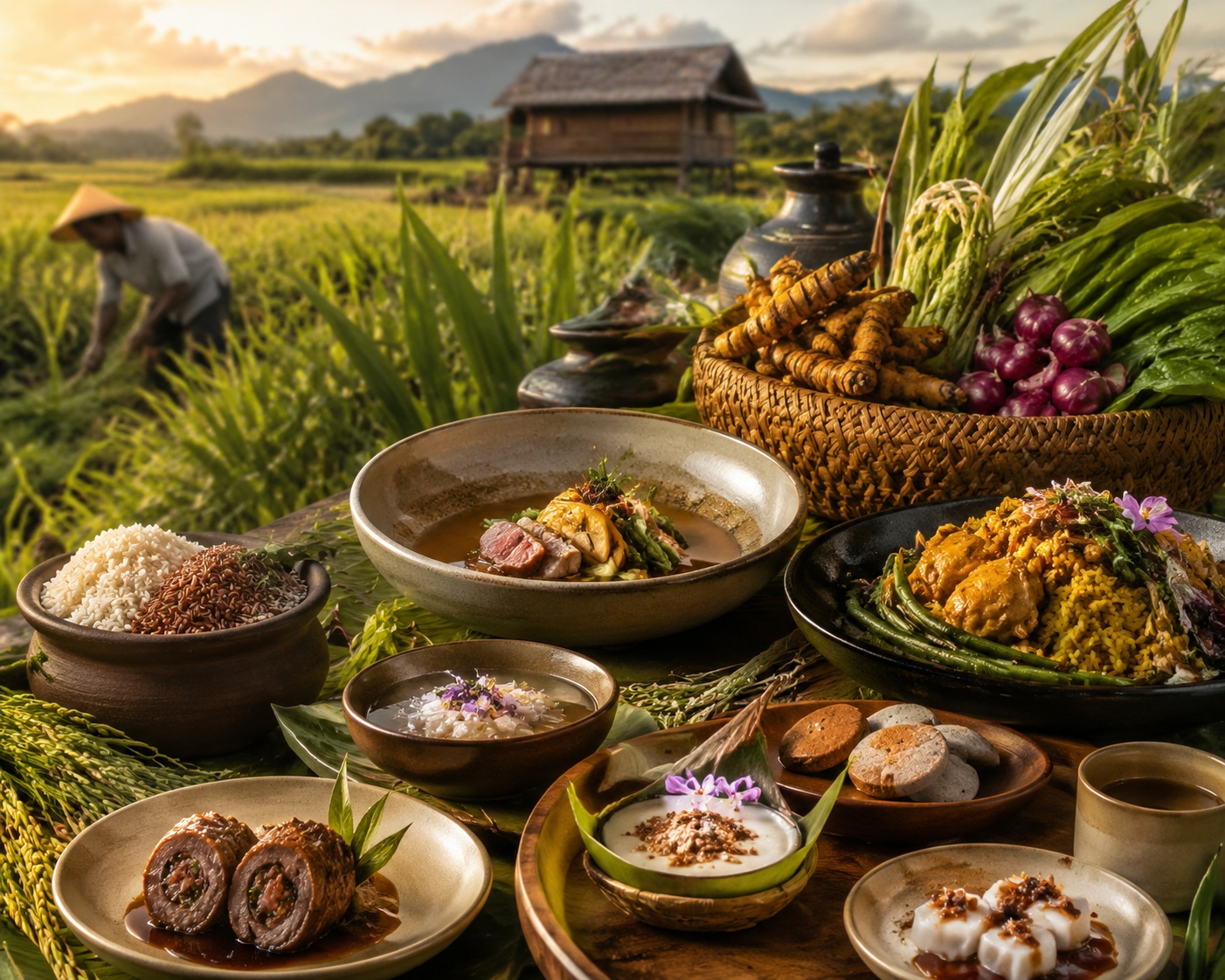
Cebu City, often referred to as the “Queen City of the South,” has always been a melting pot of trade and culture. In 2026, its culinary identity is defined by a delicious tension between the gritty, communal nature of street food and the refined demands of international tourists. The famous “Lechon Wars”—the eternal rivalry between Cebu’s top roast pig vendors—has evolved. The pork remains crispy and the stuffing remains savory, but the way it is being served and experienced has changed dramatically.
The Evolution of Street Food Hubs
Historically, the best food in Cebu was found on the sidewalks of Carbon Market or in the bustling alleys of downtown. In 2026, local government units have successfully curated these areas into organized food parks that retain their authentic charm while offering better hygiene and accessibility. A prime example is the rising popularity of Tuslob Buwa, a traditional street food where diners dip rice into a bubbling wok of pig brain and liver gravy.
This dish, once a niche local delicacy, has become a viral sensation on social media platforms in 2026. The experience is highly interactive; groups gather around a single wok, competing for the caramelized bits at the bottom. It represents the social soul of Cebuano eating, providing a raw, unfiltered connection to the food that fine dining cannot replicate.
Seafood and the “Farm to Reef” Concept
While pork dominates the inland conversation, the coastal areas of Cebu, particularly Mactan and Moalboal, are pioneering a “Farm to Reef” concept. This initiative focuses on sustainable fishing and the cultivation of local shellfish and seaweed. In 2026, restaurants on the islands are offering “Catch of the Hour” menus, where guests can select live sea urchins, grouper, and slipper lobsters, prepared minutes later with a distinctly Visayan sour broth (sinigang) or grilled with local lemongrass.
The sustainable angle is crucial. Overfishing had threatened local biodiversity, but tourism demand for fresh, responsible seafood has incentivized local fisherfolk to adopt better practices. Travel data for 2026 indicates that culinary tourists are spending 30% more on seafood experiences in Cebu than they did in 2024, proving that sustainability is profitable. For verified travel statistics and safety updates for your trip, consult the official Cebu City Tourism portal.
Beyond the Savory: The Mango Capital
Cebu is globally recognized for its sweet, buttery mangoes. In 2026, dessert bars specializing in mango-based pastries are booming. Chefs are utilizing the fruit in every possible form—from nitrogen-frozen mango ice cream to savory pairings with blue cheese and local danggit (dried rabbitfish), creating a sweet-and-salty profile that encapsulates the adventurous spirit of Cebuano cuisine.