
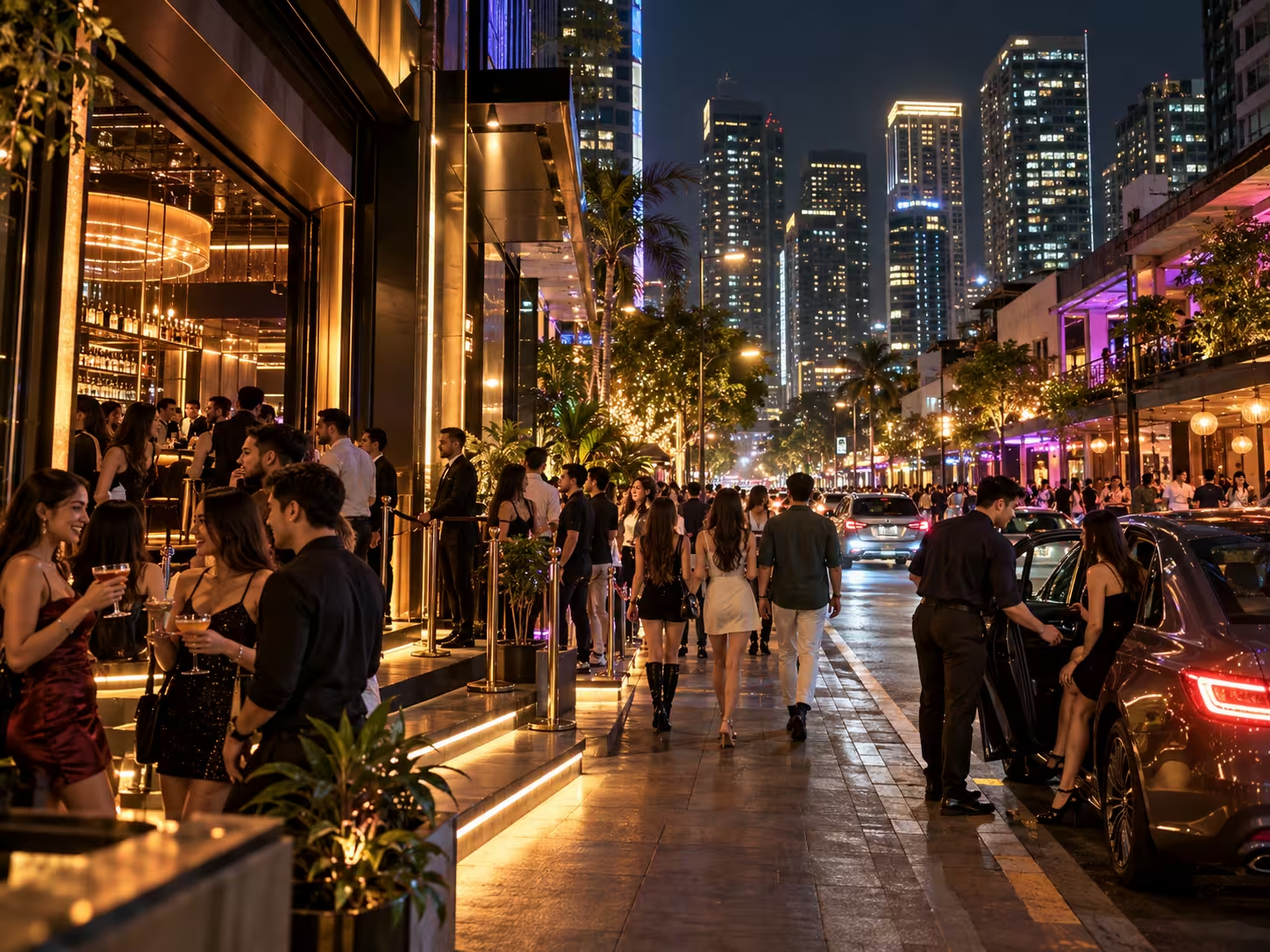
A Nightlife Built on Night Shifts
Cebu’s after-dark scene tells a story that few other Philippine cities can match: it is a nightlife shaped by the very people who work while the rest of the country sleeps. The IT Park district in Lahug has emerged as the island’s premier nightlife hub, built around the call center and outsourcing industry that employs tens of thousands of young Filipinos on night shifts. This BPO-driven ecosystem has created a bar culture that peaks not at midnight but in the early hours, when shift workers clock out and head for a drink.
IT Park: Craft Cocktails and Casual After-Work Spots
The Park Social, a sports bar and grill across from Ayala Central Bloc, has become the reliable IT Park option, with live bands and DJs most nights, multiple screens for sports, and beer prices between ₱150 and ₱300. Pipeline Restaurant and Billiards offers a more casual atmosphere with four pool tables, drawing a mix of BPO workers and expats on weekday evenings, with beer from ₱120 to ₱200. For a slightly older professional crowd, Ambiance Restobar delivers a polished cocktail experience with an extensive spirits selection and wine list, with cocktails priced between ₱350 and ₱600. And for those who want to dance, The Den is one of the few proper nightclubs inside IT Park, with a dance floor, DJ sets, and a younger weekend crowd; cover charge is typically ₱200 including a starter drink.
Mango Avenue: The Historical Core
While IT Park represents Cebu’s new nightlife identity, Mango Avenue — officially General Maxilom Avenue — remains the historical heart of the scene. The strip has long been home to dance clubs, KTV lounges, beer bars, and a handful of go-go-style venues, with the Mango Square complex at one end housing several of the city’s busiest clubs. Prices on Mango Avenue stay well below Manila levels, making Cebu an attractive option for travelers who want a genuine nightlife experience without the capital’s premium pricing. However, the post-COVID landscape has shifted: several older Mango Square venues either closed permanently or shifted to a tamer format, and the scene has recovered at a smaller scale than the pre-2020 era.
Safety in Cebu’s Nightlife Districts
Cebu’s nightlife is generally calmer and more navigable than Manila’s, but it is not without risk. In May 2026, Cebu City police arrested seven individuals linked to a theft group that specifically targeted foreign nationals in bars and nightlife areas across the city. The suspects had victimized foreigners in nightspots, and the case serves as a reminder that pickpocketing and drink-spiking remain concerns in crowded venues. A Cebu City councilor has also pushed for a unified alcohol and road safety code to address what she described as a fragmented regulatory system, with stricter enforcement proposed for high-risk and nightlife areas. For visitors, the practical advice is to keep valuables secure, avoid leaving drinks unattended, and use reputable transport when moving between districts.
Cebu’s Value Proposition
Cebu offers something that Manila struggles to deliver consistently: a nightlife scene that is real, affordable, and accessible. The city’s second-largest metropolitan area status — with about 2.8 million people in Metro Cebu — gives it enough scale to sustain a diverse scene without the intensity and sprawl of the capital. For foreign visitors, Cebu is often a stop on a wider Philippines trip, but its nightlife deserves more than a passing glance. The BPO-driven energy of IT Park and the historical grit of Mango Avenue together create a nightlife identity that is distinctly Cebuano — and increasingly worth planning a trip around.