
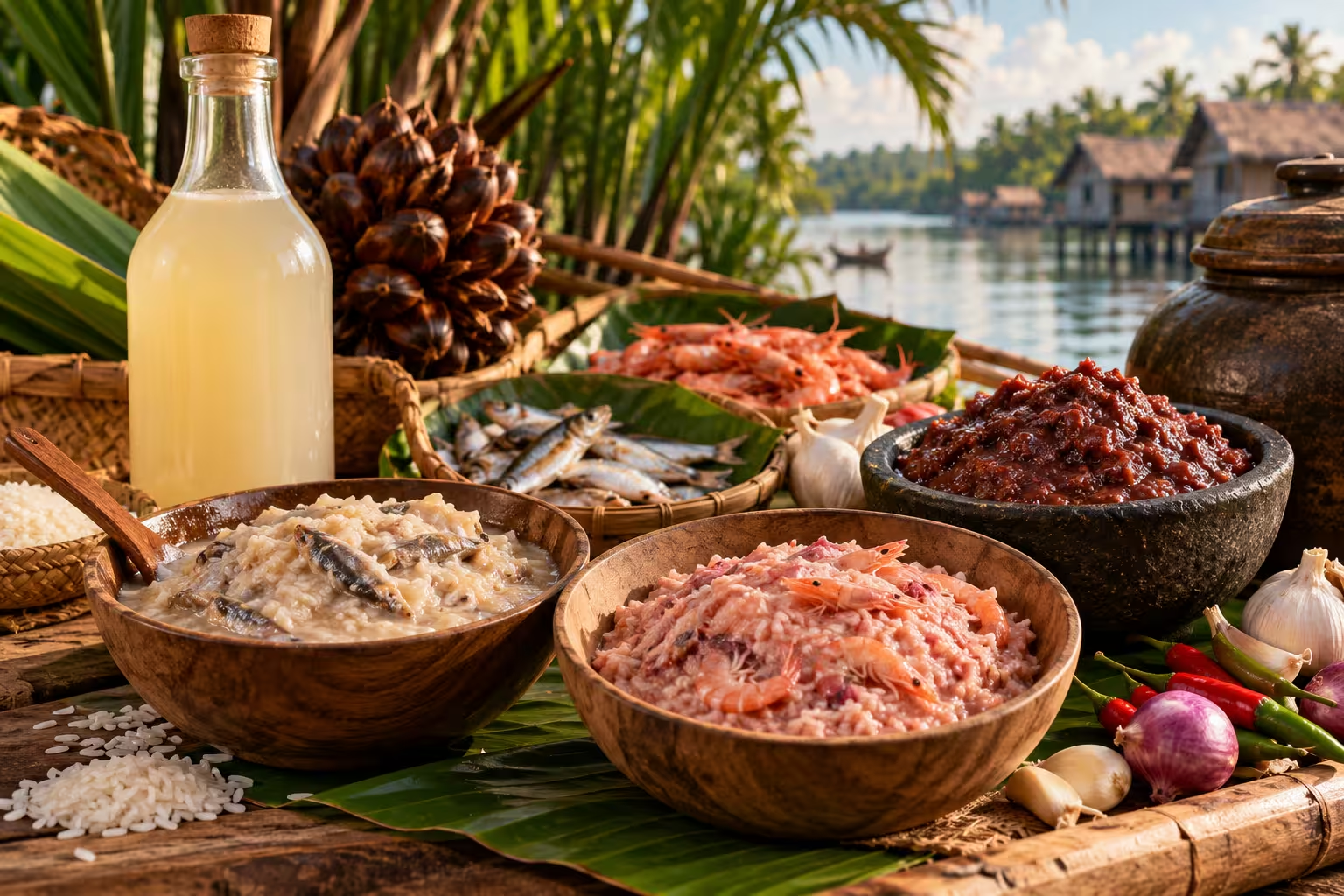
Fermented foods in the Philippines, such as burong isda (fermented fish), are not only part of the country’s culinary heritage but also a rich source of beneficial bacteria. A 2026 study from the University of the Philippines Diliman isolated and studied two strains of Limosilactobacillus fermentum—a type of lactic acid bacteria—from burong isda collected in Arayat, Pampanga. Using both laboratory tests and advanced genomic tools, researchers investigated whether these bacteria could serve as probiotics that support digestive and immune health.
What the Science Reveals About Burong Isda
The study found that both strains can survive in acidic and bile-rich conditions similar to the human stomach and intestines, which is an important trait for any probiotic. Their genomes revealed genes that help resist harsh environments, attach to gut cells, support immune responses, and even produce vitamins. Most notably, the natural products of these strains can inhibit harmful fungi like Candida albicans and Aspergillus fumigatus, which are known to cause infections. Unlike some bacteria that carry antibiotic resistance or disease-causing traits, these strains were found to be safe and free of such risks. This means they have strong potential to be developed into health-promoting probiotics for food or medical use.
The Lacto-Fermentation Process
Burong isda is traditionally made by fermenting freshwater fish with salt and rice through lactic acid fermentation, or lacto-fermentation. While this method was historically used to preserve food and prevent bacterial spoilage, its effectiveness against parasites in raw fish preparations remains understudied. The 2026 genomic research marks a meaningful step in bridging traditional microbiology with modern genomic science. By exploring Limosilactobacillus fermentum strains from burong isda, scientists have demonstrated how indigenous fermented foods can be rich sources of probiotic microorganisms with therapeutic potential.
From Folk Tradition to Functional Food
What makes this work significant is that the researchers did not rely solely on in vitro assays—they incorporated whole-genome sequencing, genome mining, and metabolomic profiling to build a more complete and evidence-based understanding of these isolates. This approach enriches scientific knowledge of locally sourced probiotics and highlights the value of applying OMICs tools in characterizing functional microbes from traditional foods—something that remains underexplored in the Philippine setting.
Bagoong and the Broader Fermentation Ecosystem
The health potential extends beyond burong isda. Bagoong (fermented fish paste) and bagoong alamang (shrimp paste) are produced through a slow breakdown of proteins, typically by mixing fish or shrimp with 20–25% salt and fermenting for several months. The result is a product rich in amino acids and umami compounds. As research into the microbiome expands, these traditional ferments are being re-examined not just as flavor foundations but as sources of bioactive compounds. The same microbial processes that create their distinctive aroma and taste may also hold keys to new functional food applications.