
A Silver Medal That Echoes Across the Industry
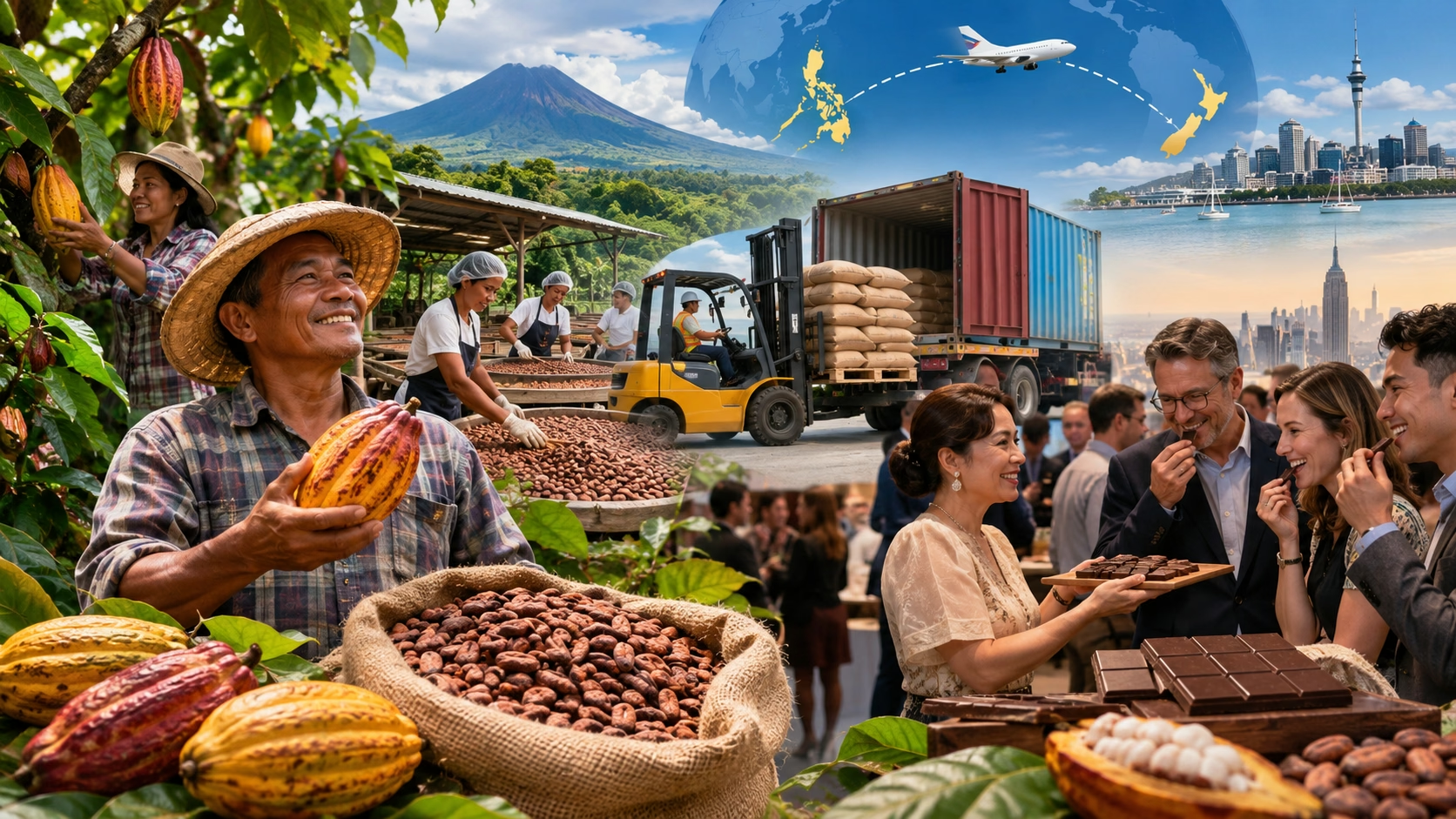
In the rarefied world of fine chocolate, a farmer’s name rarely graces the awards podium. Yet in February 2026, that narrative shifted. David dela Serna, a cacao farmer from Tugbok District in Davao City, secured a silver recognition at the prestigious Cacao of Excellence Awards in Amsterdam. The honor came after an 18-month blind evaluation of 191 entries worldwide, placing his beans among the best globally. This is not just a personal triumph; it is a powerful validation of the Davao region’s potential to produce world-class cacao. For Auro Chocolate, the brand partnering with Dela Serna, it marks the third time one of its farming partners has received this honor, cementing a model that places farmer education and post-harvest precision at the heart of premium chocolate production.
The Alchemy of Fermentation and Partnership
The secret behind Dela Serna’s success—and the broader quality revolution in Davao—lies in the meticulous, often unseen work of fermentation and drying. Auro Chocolate’s sourcing model centers on fermentation training and consistent post-harvest practices. This hands-on approach transforms ordinary beans into beans with complex, desirable flavor profiles. The partnership model is direct: by investing in farmers’ knowledge and infrastructure, brands secure a reliable supply of premium beans, while farmers gain access to international markets and better prices. This symbiosis is the engine of the single-origin movement. It shifts the focus from anonymous commodity production to a story of terroir, traceability, and human craftsmanship—elements that resonate deeply with modern consumers seeking authenticity and ethical sourcing.
Beyond the Award: A Blueprint for Sustainable Quality
The impact of such recognition extends far beyond one farm. As more Philippine growers gain international citations, the global spotlight turns toward the country’s unique ingredients and the entrepreneurs working to elevate them. For the industry, these awards reinforce the case that Filipino cacao can compete with long-established origins like Ecuador or Madagascar. The model is scalable: by focusing on quality at the farm level, the entire value chain benefits. This grassroots-driven excellence is the most compelling proof that Davao’s premium cacao is not a fleeting trend but a sustainable, quality-led movement. It is a narrative that resonates with discerning buyers and chocolatiers who prioritize provenance and integrity in their sourcing.