
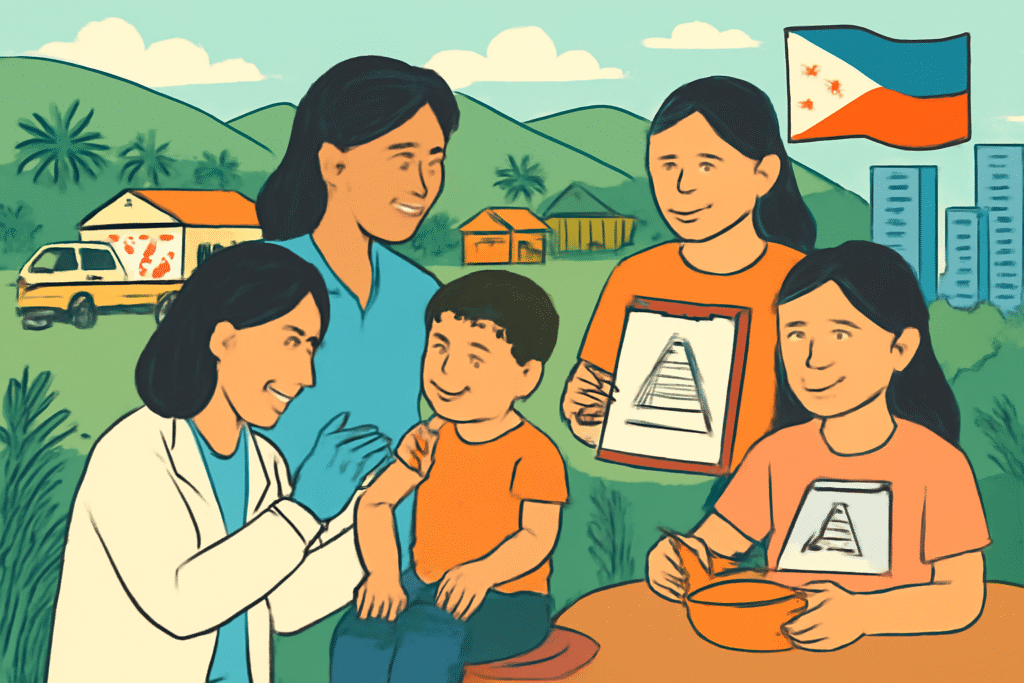
The health of children in the Philippines is a focal point for both government efforts and private sector involvement. With a population of over 100 million, many of whom live in rural and remote areas, the country faces significant challenges in providing quality healthcare for its youngest citizens. Despite these hurdles, the government, along with private institutions, continues to push forward with programs that aim to enhance child health and well-being.
One of the government’s primary efforts is the National Immunization Program (NIP), which seeks to ensure that every child in the country is vaccinated against preventable diseases. This program is crucial for reducing childhood mortality rates and preventing the spread of infectious diseases such as polio, measles, and diphtheria. The Expanded Program on Immunization (EPI), a major arm of NIP, reaches communities across the nation, even those in far-flung areas, through mobile vaccination drives and outreach programs.
In addition to vaccination, malnutrition remains a critical issue in the Philippines. The government has launched various programs designed to combat this pressing concern. Through the National Nutrition Council (NNC), the government implements a range of initiatives, including the Supplementary Feeding Program, which provides nutritional support to children in communities where malnutrition is most prevalent. Local government units (LGUs) play a vital role in implementing these programs at the grassroots level, ensuring that children receive the proper nourishment during their formative years.
The Philippine government also introduced the Health for All Children (HAC) program, which is aimed at improving maternal and child health services across the country. The program offers essential health services, such as prenatal and postnatal care, routine child checkups, and health education, which are vital to ensuring the overall well-being of both mothers and children.
Private sector involvement is also significant in the improvement of child health in the Philippines. Various private organizations, including health-focused NGOs and philanthropic foundations, have partnered with the government to implement healthcare programs for children. For instance, the Philippine Business for Social Progress (PBSP) has been instrumental in funding community-based healthcare projects, providing medical resources, and improving health education in underserved areas.
Private hospitals and healthcare providers have also played an important role in delivering specialized care for children. From pediatric surgery to developmental support, private institutions often work with government agencies to ensure that children with specific needs receive the care they require. These partnerships have been particularly valuable in addressing specialized medical conditions that require high levels of expertise and advanced treatments.
Corporate social responsibility (CSR) initiatives from private companies have also contributed to improving child health. Many companies in the Philippines invest in healthcare programs and initiatives that focus on providing vaccinations, health education, and medical supplies to children in rural communities. These efforts complement government programs, extending their reach and impact.
Although challenges remain, including gaps in healthcare access for marginalized populations and the need for more comprehensive mental health services for children, the collaborative efforts between the government and private sector continue to make a difference. The Philippines has seen improvements in child health indicators, and with ongoing commitment and resources, the future looks brighter for the country’s youngest citizens.