
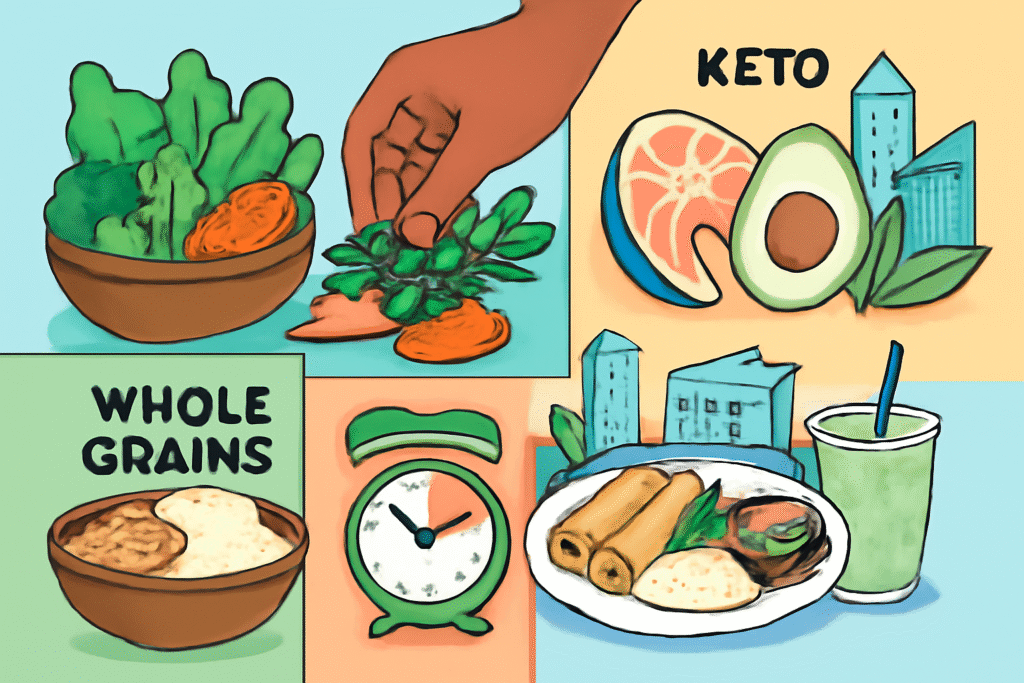
The Philippines has long been known for its flavorful and diverse cuisine, which reflects the country’s rich cultural heritage. However, as more people become aware of the benefits of a healthy diet, Filipino food culture is evolving. Healthy eating is now becoming a priority for many Filipinos, particularly in urban centers like Metro Manila, where there is greater access to health information and resources.
A growing movement in the Philippines is the adoption of fresh, natural ingredients. Filipinos are incorporating a wider variety of fruits and vegetables into their meals, looking to local, sustainable produce for nutritional benefits. Malunggay, or moringa, is one such example, which has gained recognition for its high levels of antioxidants, vitamins, and minerals. It’s commonly found in soups and salads or used as a powder supplement for smoothies.
Aside from increased vegetable consumption, there’s also a heightened focus on whole grains, such as brown rice and quinoa, as substitutes for white rice. This is part of an effort to reduce the intake of refined carbohydrates, which are linked to obesity and diabetes—two health concerns that are prevalent in the country. Filipinos are also finding new ways to reduce their sugar intake, opting for natural sweeteners like honey, coconut sugar, and stevia over traditional table sugar.
When it comes to popular diets, the ketogenic (keto) diet has taken the country by storm. By significantly reducing carbohydrate intake and increasing fat consumption, the keto diet helps people enter a state called ketosis, where the body burns fat for energy instead of glucose. The keto diet has been widely embraced in the Philippines, with a variety of Filipino-inspired keto recipes available for those who want to enjoy local flavors while adhering to the low-carb lifestyle.
Intermittent fasting is another diet gaining popularity among Filipinos who are looking to lose weight or improve their metabolic health. One of the most common intermittent fasting protocols in the Philippines is the 16:8 method, where individuals fast for 16 hours and eat during an 8-hour window. This approach not only supports weight loss but also offers other potential health benefits, including improved brain function and reduced inflammation.
For those looking to follow a plant-based lifestyle, the Philippines has also seen an increase in vegetarian and vegan options. Local ingredients like tofu, tempeh, and coconut are being used to recreate traditional Filipino dishes in plant-based versions, such as vegan adobo or plant-based lechon. This trend reflects a larger global shift towards plant-based eating, with more Filipinos recognizing the environmental and health benefits of reducing meat consumption.
In addition to specific diets, many Filipinos are also exploring mindful eating practices, which involve paying close attention to food choices, portion sizes, and the body’s hunger cues. These practices help individuals build a healthier relationship with food, promoting sustainable long-term habits.