
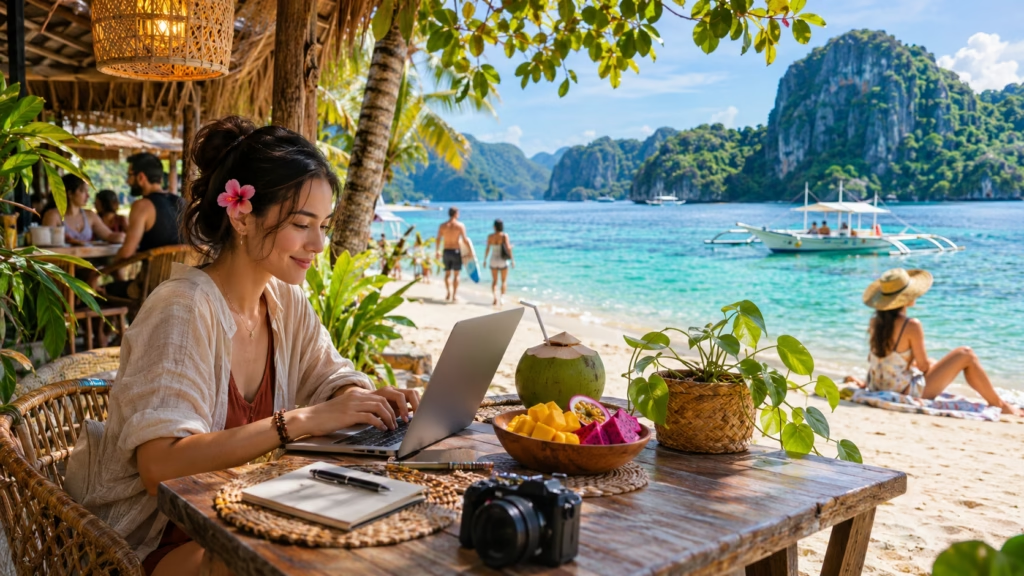
For three decades, the Philippine tourism map had a hole in the south. Luzon and the Visayas absorbed the flights and the guidebook pages; Mindanao was reduced in most travellers’ minds to a single word—security. In 2026, that map is being quietly redrawn, and the island leading the change is a small volcanic outcrop in the Bohol Sea.
Camiguin’s 38 Percent Surge
Camiguin received 397,818 visitors in 2025, up from 288,558 the year before—a jump of nearly 38 percent. Of those, 376,322 were domestic and just 21,496 foreign. That ratio describes the whole southern phenomenon: Filipinos got there first. The province has launched the Isle Visit Camiguin 2026 campaign to build on the momentum, and Davao City recorded 525,342 arrivals between January and March 2026, a rise of about 19 percent on the same quarter a year earlier.
Why the Crowd Profile Matters
A destination that is 95 percent domestic is not a destination overrun by international influencers. It is a place where the tourism economy is rooted in local weekenders, family reunions and regional festival travel—a different rhythm from the international resort circuit. For the slow traveller, that translates into lower prices, fewer queues and a genuine sense of arrival rather than processing.
Camiguin vs Siargao: Two Kinds of Island Time
The contrast with Siargao is instructive. Siargao is the social island—surf, cafés, hostels, a scene—and it has become a genuine digital-nomad base with the crowds and developed prices to prove it. Camiguin is the quiet one: volcanoes, springs, a sandbar, essentially no nightlife, and, as local guides put it, “nobody in your photographs”. A comparison of the two islands puts Camiguin’s sweet spot at three days for the highlights and five to seven days to actually slow down—which, the guide argues, “is the entire point of coming this far”.
The Infrastructure Reality
Camiguin has its own airport at Mambajao, roughly one flight a day from Cebu, and costs are lower across the board. What it lacks is the café-and-coworking infrastructure that Siargao has built. If you need to work reliably from a café, Camiguin is not yet the answer. But if the goal is to disappear into hot springs, volcanic hikes and an empty White Island sandbar at sunrise, the island delivers exactly the slowness that the trend is chasing.
Beyond Camiguin: A Wider Southern Slow Circuit
The shift is not confined to one island. The Department of Tourism is actively working Mindanao into national circuits, and the places drawing visitors in 2026 are specific: Davao and its highlands, Bukidnon, Camiguin, Siargao, the Dinagat islands, Lake Sebu and the coastal towns of Surigao and Misamis Oriental. The national tourism department has concluded that it cannot reach its arrival targets by selling Boracay and El Nido harder—the growth has to come from places that are not yet household names.
That is the quiet opportunity for the slow traveller: to arrive in a region that is building its tourism future around domestic demand and community rhythm, before the international guidebooks catch up.