
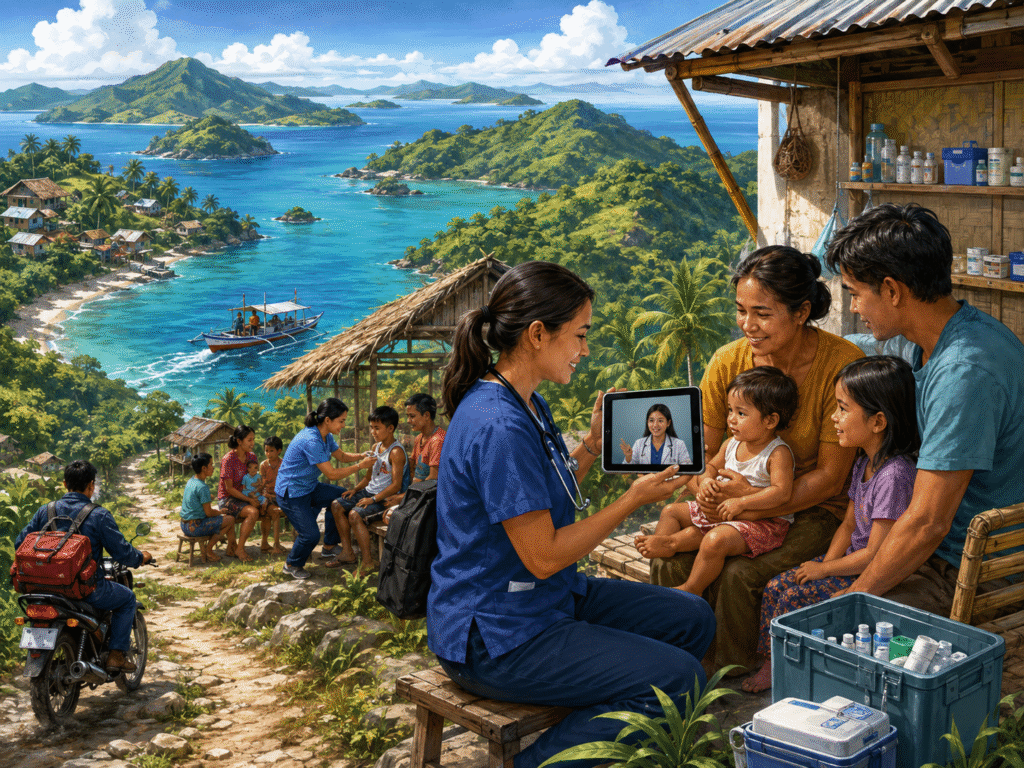
Healthcare accessibility in the Philippines remains uneven, particularly in isolated and geographically challenging areas. The country’s island geography creates logistical hurdles for the delivery of medical services. Remote villages often rely on lengthy journeys by boat, jeepney, or on foot to reach the nearest clinic or hospital. This physical distance frequently results in delayed treatment for routine medical needs as well as urgent emergencies, disproportionately affecting vulnerable populations such as children, the elderly, and pregnant women.
A major factor influencing this gap is the distribution of healthcare professionals. Medical practitioners tend to concentrate in urban centers where hospitals are well-equipped, career advancement is available, and living conditions are more convenient. Consequently, remote areas often face a chronic shortage of doctors, nurses, and specialists. The scarcity of healthcare workers means that residents may wait weeks or months for consultations, vaccinations, or check-ups, leaving preventable diseases untreated.
Infrastructure shortcomings compound the problem. Many remote barangays (villages) lack paved roads, consistent electricity, and telecommunication networks, making it difficult to operate clinics and pharmacies effectively. Limited access to modern diagnostic equipment and essential medications further hinders timely care. Health centers in these regions often provide only basic services, leaving more complex medical conditions unattended until patients can reach urban facilities.
Economic and social factors also play a critical role in restricting healthcare access. Many rural families live below the poverty line, making travel costs and medical expenses prohibitive. Health literacy is often low, and cultural beliefs sometimes delay or discourage seeking professional care. These challenges contribute to the high prevalence of preventable illnesses, maternal and child mortality, and chronic disease complications in remote areas.
To address these issues, the Philippine government has launched initiatives targeting healthcare delivery in underserved regions. Mobile medical units bring doctors, nurses, and essential supplies directly to remote communities, offering preventive care, diagnostics, and treatment for minor illnesses. Telemedicine platforms have emerged as crucial tools, allowing patients to consult specialists from urban hospitals without leaving their villages. Additionally, local community health workers play a vital role in health promotion, monitoring chronic conditions, and facilitating referrals for patients requiring advanced care.
Non-governmental organizations and international partners have also contributed to improving healthcare access. Funding for local health centers, the donation of equipment, and specialized training programs enhance the quality of care provided in remote areas. The expansion of PhilHealth coverage has helped mitigate the financial burden on families, encouraging them to seek timely care without fear of prohibitive costs.
While progress is evident, significant challenges persist. Ensuring a sustainable presence of healthcare professionals in remote communities, improving infrastructure, and integrating culturally appropriate education programs remain priorities. Comprehensive strategies that combine technology, community involvement, and policy reforms are essential to bridge the gap between urban and rural healthcare access in the Philippines.
Addressing these multifaceted challenges is critical not only for the wellbeing of isolated populations but also for achieving equitable health outcomes nationwide. By investing in infrastructure, training, and innovative care delivery methods, the Philippines can move closer to ensuring that geography does not dictate the quality of healthcare received.