
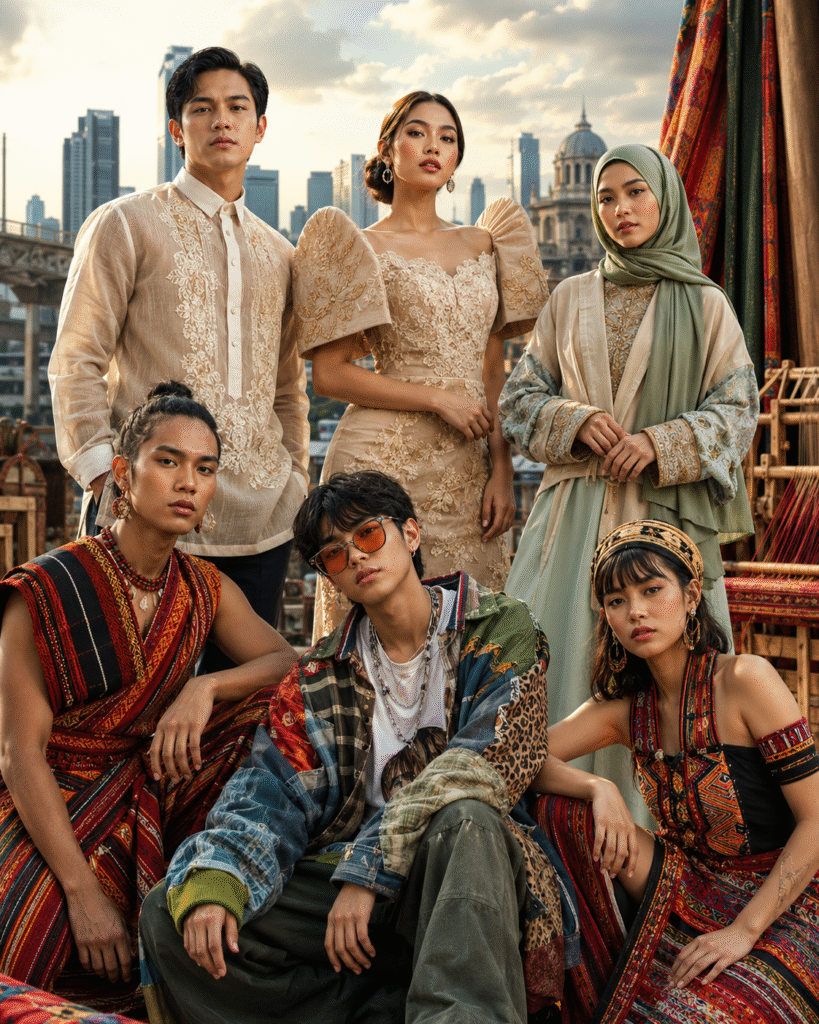
In the Philippines, clothing has long served as a way of expressing identity. What people wear can reveal their social class, cultural background, religion, profession, gender expression, and even political beliefs. Filipino fashion is especially meaningful because the country’s history includes indigenous cultures, centuries of Spanish rule, American occupation, regional diversity, and strong global connections. As a result, fashion in the Philippines is a mixture of tradition, adaptation, and self-expression.
One of the clearest examples of fashion as identity is found in traditional formal wear. The barong Tagalog is widely understood as a symbol of Filipino masculinity, respectability, and national pride. Its light, embroidered fabric suits the tropical climate while also giving the wearer a formal and dignified appearance. Unlike Western suits, the barong Tagalog carries a distinctly Filipino character. It is often used in government functions, school events, weddings, and diplomatic occasions, making it a garment connected to citizenship and public identity.
For women, garments such as the terno, baro’t saya, and Maria Clara dress represent different layers of Filipino history. The terno’s butterfly sleeves are instantly recognizable and often appear in pageants, political events, and cultural performances. These clothes do not only represent beauty; they also show how Filipino women have been imagined through ideas of grace, modesty, strength, and national symbolism.
However, Filipino fashion is not limited to traditional clothing. Modern fashion strongly reflects social class. In cities, clothing choices are often influenced by malls, corporate workplaces, universities, and online trends. People may use fashion to show professionalism, success, and social aspiration. Branded shoes, bags, watches, and clothing can become signs of status. For some Filipinos, looking polished is important because appearance is connected with confidence, respect, and opportunity.
Yet fashion in the Philippines is also shaped by affordability and creativity. Ukay-ukay culture is an important example. Secondhand clothing shops and markets allow people from different economic backgrounds to create fashionable looks without spending large amounts of money. Many young Filipinos enjoy thrifting not only because it is affordable, but also because it allows them to find unique pieces. This makes fashion more democratic and less dependent on luxury labels.
Regional and ethnic identity also play a major role. The Philippines is not a single cultural block; it is made up of many communities with their own textile traditions. Indigenous weaves from the Cordilleras, Mindanao, Visayas, and other regions represent local histories and social values. These textiles are often connected to rituals, family heritage, and community status. When contemporary designers use indigenous fabrics, they help bring local identities into national and global fashion spaces.
Religion also influences clothing, especially in Muslim communities in Mindanao. Modest fashion, including hijabs and long garments, reflects faith, dignity, and cultural belonging. Filipino Muslim fashion shows that national identity is diverse and includes many ways of dressing and living.
Today, Filipino fashion continues to evolve through social media, entertainment, and global pop culture. Young people mix local garments with streetwear, Korean-inspired outfits, vintage clothing, and gender-fluid styles. Their fashion choices show that identity is not fixed. It is constantly being created, negotiated, and displayed.
In Filipino society, clothing is never just fabric. It is a sign of heritage, ambition, belonging, and individuality. Through fashion, Filipinos tell stories about who they are and where they stand in a changing world.