
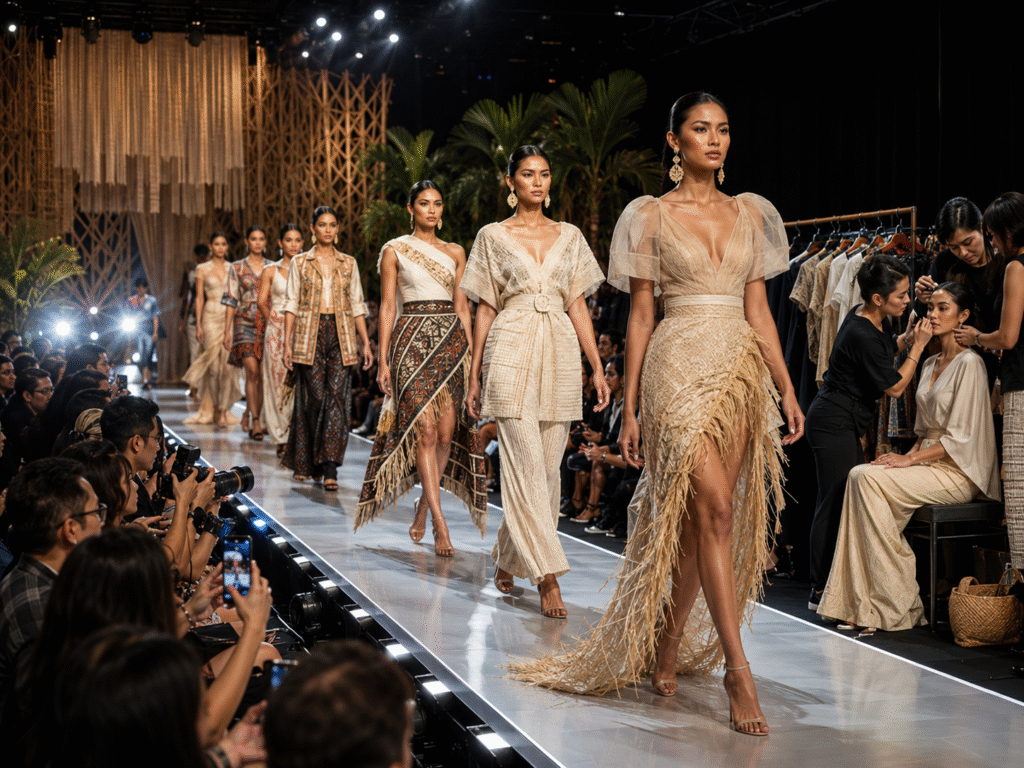
In the Philippines, fashion shows and events have evolved into vital platforms for both creative expression and industry growth. Over recent years, these occasions have become instrumental in highlighting Filipino talent, driving trends, and strengthening the local fashion ecosystem. They are not merely gatherings to display garments but dynamic venues that merge artistry, commerce, and culture.
Emerging designers find these events especially valuable. High-profile showcases, such as the Philippine Fashion Week, provide a stage where their work can be appreciated by buyers, journalists, and the general public. Many designers integrate traditional Filipino textiles like piña, abaca, or handwoven fabrics into modern silhouettes, creating collections that celebrate cultural heritage while appealing to contemporary markets. This blend of local tradition and innovation has helped Filipino designers gain both national recognition and international attention.
Fashion shows also serve as crucial arenas for aspiring models, photographers, makeup artists, and stylists. Runways allow new models to gain exposure, while professional makeup artists and stylists can demonstrate their creativity and skill. Event photographers capture compelling moments that enrich their portfolios and document the evolution of Philippine fashion. This collaborative environment nurtures talent and encourages cross-disciplinary growth, fueling the development of a robust creative community.
The cultural significance of fashion shows in the Philippines cannot be overstated. These events attract celebrities, social media influencers, and fashion enthusiasts, making them trend-setting occasions that influence public style choices. Observing runway presentations provides audiences with insight into emerging trends, seasonal designs, and innovative techniques. Consequently, fashion shows shape consumer behavior, steering what people wear and how local brands market their collections.
International recognition is another critical benefit. Designers who showcase their collections on recognized platforms may gain invitations to global events or collaborations with international brands. This exposure promotes cultural exchange and enables Filipino fashion to resonate with a worldwide audience. By showcasing Filipino craftsmanship, designers expand their market reach and encourage experimentation with different materials and aesthetics.
Fashion events also contribute to the Philippine economy. Beyond designer revenues, they generate employment for event coordinators, media professionals, and retail suppliers. Local businesses, including boutiques and accessory makers, gain visibility and opportunities to collaborate with designers, reinforcing the economic impact of these gatherings.
Many fashion events in the Philippines incorporate social and environmental advocacy. Designers increasingly use their platforms to promote sustainable practices, ethical manufacturing, or cultural preservation. Collections inspired by local heritage or ecological consciousness convey powerful messages, demonstrating that fashion can merge creativity with social responsibility.
In essence, fashion shows and events in the Philippines are more than mere exhibitions; they are engines of creativity, commerce, and culture. They provide emerging talents with a stage, influence public taste, promote Filipino heritage, and drive economic growth. By connecting artistry with opportunity, these events continue to shape the identity of Philippine fashion in a global context.