
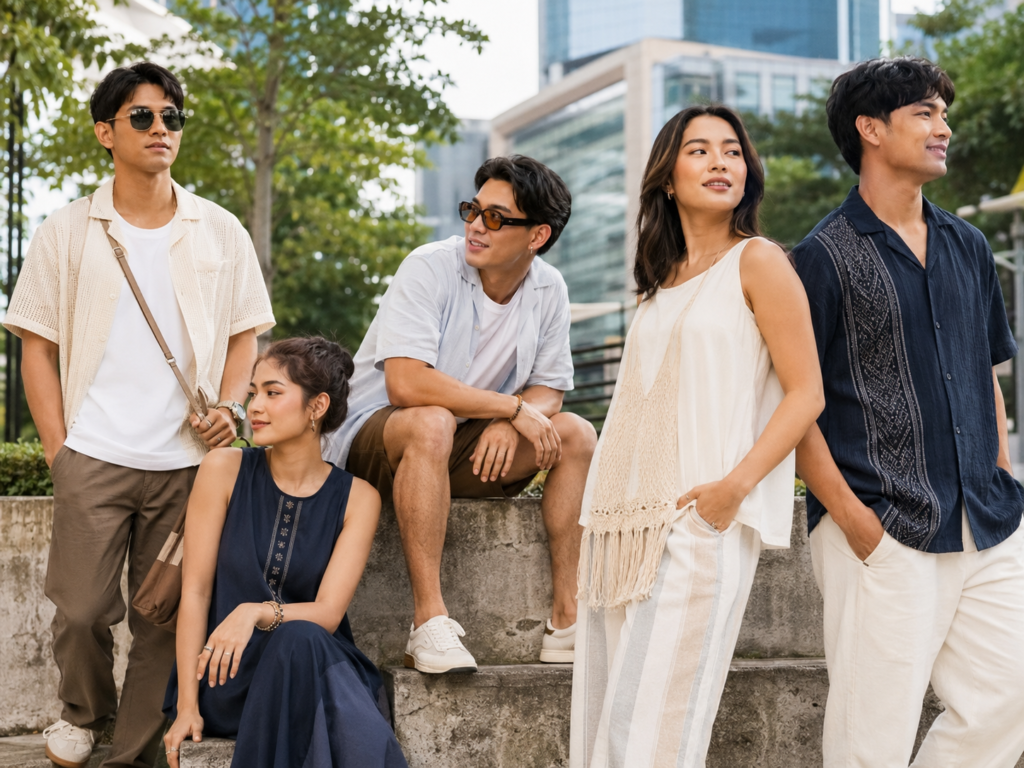
The meaning of casual clothing in the Philippines has changed significantly in recent years. What was once considered simple homewear or relaxed weekend clothing has become a major fashion category representing confidence, creativity, and personal branding.
In 2026, Filipino consumers are searching for clothing that supports flexible lifestyles. Remote work, hybrid careers, social media activities, and urban mobility have encouraged people to choose outfits that are comfortable while remaining visually appealing.
A typical modern Filipino casual wardrobe may include oversized button-down shirts, minimalist sneakers, relaxed denim, cargo pants, polo shirts, and accessories influenced by Korean and Japanese street fashion. However, these global influences are often adjusted to suit Filipino preferences and climate conditions.
The Role of Philippine Identity in Fashion
Filipino casual fashion stands out because it combines modern trends with cultural storytelling. Designers increasingly experiment with traditional references such as woven textures, native patterns, and regional craftsmanship.
For example, contemporary brands are adapting materials associated with Filipino heritage into casual pieces suitable for everyday use. Instead of reserving cultural designs for formal events, fashion creators are introducing them into shirts, jackets, bags, and accessories.
This approach allows younger generations to connect with Filipino culture in a practical way. Wearing locally inspired casual clothing becomes a form of cultural representation rather than simply a fashion choice.
Digital Platforms Accelerate Fashion Discovery
Social media has become one of the strongest forces influencing Filipino casual style. Platforms such as TikTok, Instagram, and online marketplaces allow local brands and fashion creators to reach wider audiences.
A small clothing company can now build recognition through viral styling videos, influencer partnerships, and direct online sales. This digital environment has created more competition but also expanded opportunities for Filipino designers.
The Department of Trade and Industry (DTI) continues supporting micro, small, and medium enterprises in the Philippines, including creative businesses. Information about entrepreneurship programs is available at https://www.dti.gov.ph/
The Future Direction of Filipino Casual Fashion
The next stage of Filipino casual fashion is expected to focus on individuality and responsible consumption. Consumers are becoming more selective, choosing clothing based on quality, versatility, and brand values.
The growing demand for locally made products suggests that Filipino casual fashion is becoming more than a temporary trend. It represents a broader cultural movement where comfort, creativity, and identity meet in everyday clothing choices.