
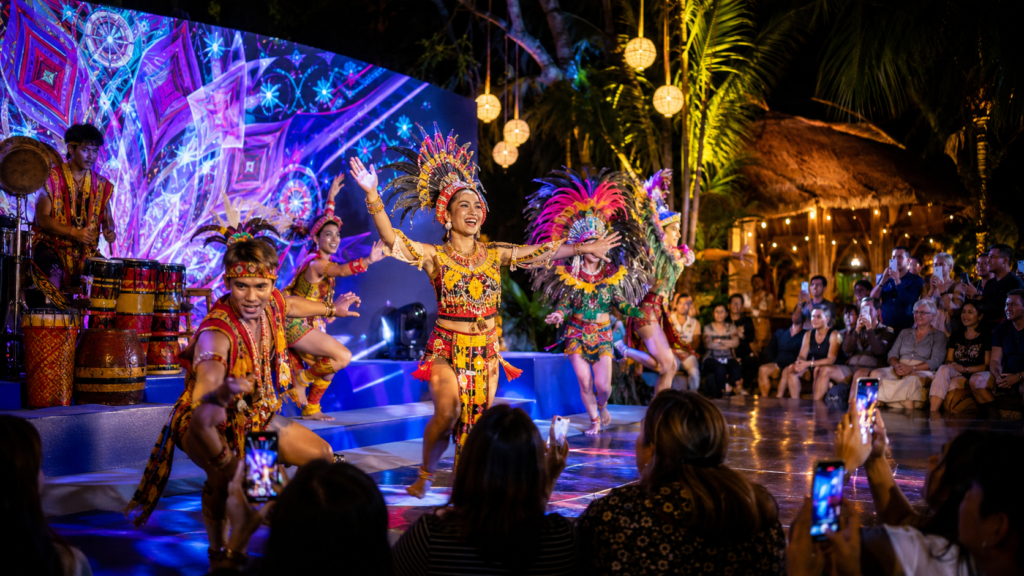
The performing arts scene in the Philippines has experienced significant transformation as artists combine traditional heritage with contemporary creativity. Modern Philippine cultural shows now extend beyond local celebrations, becoming platforms where Filipino performers communicate social issues, historical narratives, and national identity to audiences around the world.
The country’s theater, music, dance, and multimedia performances reflect a combination of indigenous influences, Asian traditions, Spanish colonial history, American cultural impact, and modern global trends. This unique blend has allowed Filipino artists to create performances that are both culturally rooted and internationally accessible.
Today, Philippine performing arts are increasingly recognized as an important part of the country’s creative economy. According to the Philippine Statistics Authority (PSA), the cultural and creative industries continue to contribute significantly to employment and economic activity, highlighting the growing importance of artistic sectors in national development.
Source: https://psa.gov.ph/
Philippine Theater: Transforming History into Powerful Stage Experiences
Contemporary Productions Highlight Filipino Identity
The Philippine theater industry has become one of the strongest examples of how performing arts can preserve history while addressing modern concerns. Local theater companies produce plays that explore themes such as colonial experiences, family relationships, social inequality, migration, and national identity.
Organizations like Tanghalang Pilipino, the resident theater company of the Cultural Center of the Philippines (CCP), have played a major role in developing Filipino stage performances. Their productions often combine traditional storytelling methods with modern theatrical techniques, allowing audiences to experience Philippine history from fresh perspectives.
Source: https://culturalcenter.gov.ph/
One notable trend in contemporary Filipino theater is the increasing use of local languages. Productions performed in Filipino and regional dialects provide audiences with more authentic cultural experiences while strengthening appreciation for linguistic diversity.
Filipino Music Performances Gain International Attention
From Traditional Instruments to Global Music Stages
Music remains one of the most influential forms of Filipino cultural expression. While traditional instruments such as kulintang ensembles continue to represent indigenous heritage, modern Filipino musicians have expanded their influence through pop, jazz, classical, and experimental performances.
Filipino singers and musicians have gained recognition internationally due to their vocal abilities and unique interpretations of different musical styles. Many cultural performances now combine traditional Filipino sounds with contemporary arrangements, creating a new generation of artistic expression.
A recent example is the increasing popularity of Filipino artists performing in international music festivals and cultural events. These appearances demonstrate how Philippine music has become a tool for cultural diplomacy, introducing global audiences to Filipino creativity.
Dance Performances Connect Tradition and Innovation
Contemporary Choreography Inspired by Filipino Heritage
Dance remains a central element of Philippine performing arts. Modern Filipino choreographers frequently integrate indigenous movements, folk traditions, and contemporary dance techniques to create performances that reflect both history and current realities.
Groups such as Ballet Philippines have contributed to the development of Filipino dance by producing performances that combine classical ballet, modern choreography, and local cultural themes.
Source: https://balletphilippines.org/
Many contemporary dance productions explore issues such as environmental protection, migration, and social change. This approach allows performances to remain relevant while maintaining connections with traditional Filipino movements.
Digital Technology Expands the Reach of Filipino Cultural Shows
The rise of digital platforms has changed how audiences experience Philippine performing arts. Streaming services, social media, and online cultural exhibitions have allowed Filipino performances to reach viewers who may never have attended a live show.
During and after the pandemic period, many performing arts organizations adopted hybrid approaches by combining physical events with online broadcasts. This strategy continues to influence how cultural shows are produced in 2026.
Digital transformation has also encouraged younger Filipinos to participate in creative industries. Young performers now have opportunities to showcase their talents globally without depending entirely on traditional entertainment channels.
The Future of Philippine Performing Arts on the Global Stage
Modern Filipino cultural performances demonstrate how artistic traditions can evolve without losing their original identity. Theater productions, musical performances, and contemporary dance shows continue to introduce international audiences to Filipino experiences and values.
The future of Philippine performing arts will likely depend on collaboration between traditional artists, modern creators, technology platforms, and cultural institutions. By combining heritage with innovation, Filipino performers are creating cultural experiences that represent both the country’s history and its future.