
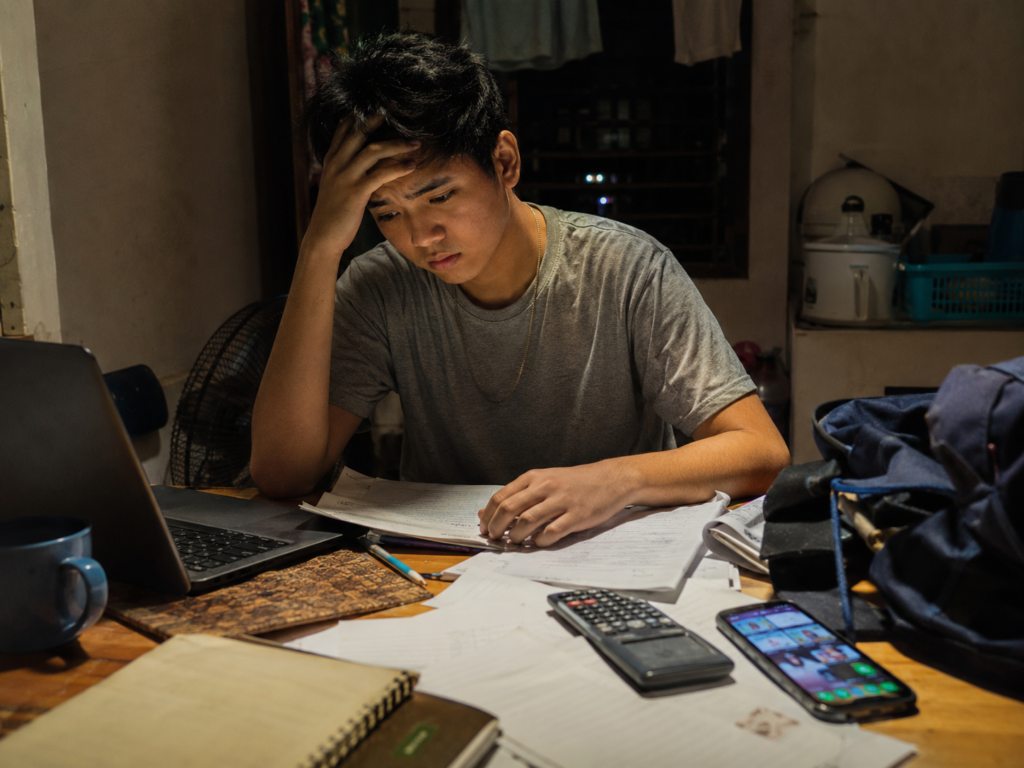
In the Philippines, stress is not limited to workplaces or personal relationships. Millions of residents live with the recurring threat of typhoons, floods, earthquakes, volcanic activity, and landslides. These events may destroy homes and livelihoods within hours, but their health effects can remain long after roads reopen and emergency shelters close.
Disaster-related stress may begin before an event reaches land. Families monitor weather reports, prepare evacuation bags, protect important documents, and worry about relatives in high-risk areas. Afterward, survivors may face damaged property, interrupted employment, overcrowded evacuation centers, limited healthcare, and uncertainty about rebuilding.
How Disaster Stress Affects the Body
During a dangerous event, the body activates its survival response. Heart rate increases, muscles tighten, and attention becomes focused on immediate threats. These reactions are normal, but repeated disasters or prolonged displacement may prevent the nervous system from returning to a stable condition.
Survivors may experience insomnia, headaches, digestive problems, fatigue, rapid heartbeat, loss of appetite, or increased blood pressure. Children may become unusually quiet, aggressive, fearful, or dependent on caregivers. Adults may have difficulty concentrating, making financial decisions, or returning to work.
The World Health Organization’s Philippines office provides information on mental health and the need for accessible community-based care at WHO Philippines: Mental Health. The resource supports the broader understanding that psychological well-being is an essential part of public health, including during emergencies.
Displacement Creates Multiple Layers of Pressure
Evacuation protects people from immediate physical danger, but conditions inside temporary shelters can create additional stress. Families may have little privacy, limited access to clean water, disrupted medication schedules, and constant concern about security or property left behind.
For people with diabetes, heart disease, asthma, or other chronic conditions, the stress of displacement may worsen existing symptoms. Limited sleep and irregular meals can make blood sugar or blood pressure more difficult to control. Pregnant women, older adults, people with disabilities, and residents requiring regular treatment are especially vulnerable.
The Emotional Cost of Repeated Loss
A family that survives one typhoon may begin rebuilding with savings, loans, or community assistance. When another severe storm arrives, the fear is shaped not only by the new threat but also by memories of earlier losses.
This repeated exposure can lead to hypervigilance, a condition in which a person remains constantly alert for danger. Heavy rain, emergency alerts, or strong winds may trigger panic even when no immediate disaster is occurring. Some survivors may develop symptoms associated with post-traumatic stress, including nightmares, intrusive memories, avoidance, and emotional numbness.
Farmers and fishing communities can face additional psychological pressure when extreme weather damages crops, boats, equipment, or coastal resources. The resulting income loss may increase debt, food insecurity, family conflict, and feelings of helplessness.
Building Healthier Disaster Responses
Emergency planning should include mental health and psychosocial support, not only food, water, and shelter. Local governments can train community health workers to recognize severe distress, establish safe spaces for children, and provide referral pathways for people needing professional treatment.
Clear information also reduces anxiety. Residents are better able to cope when evacuation instructions, relief schedules, and available health services are communicated consistently.
At the household level, maintaining simple routines can help restore a sense of control. Regular meals, age-appropriate conversations with children, contact with relatives, and opportunities to rest are meaningful parts of recovery.
Disaster resilience should therefore be measured not only by rebuilt infrastructure but also by whether communities receive the physical, psychological, and economic support needed to recover safely.