
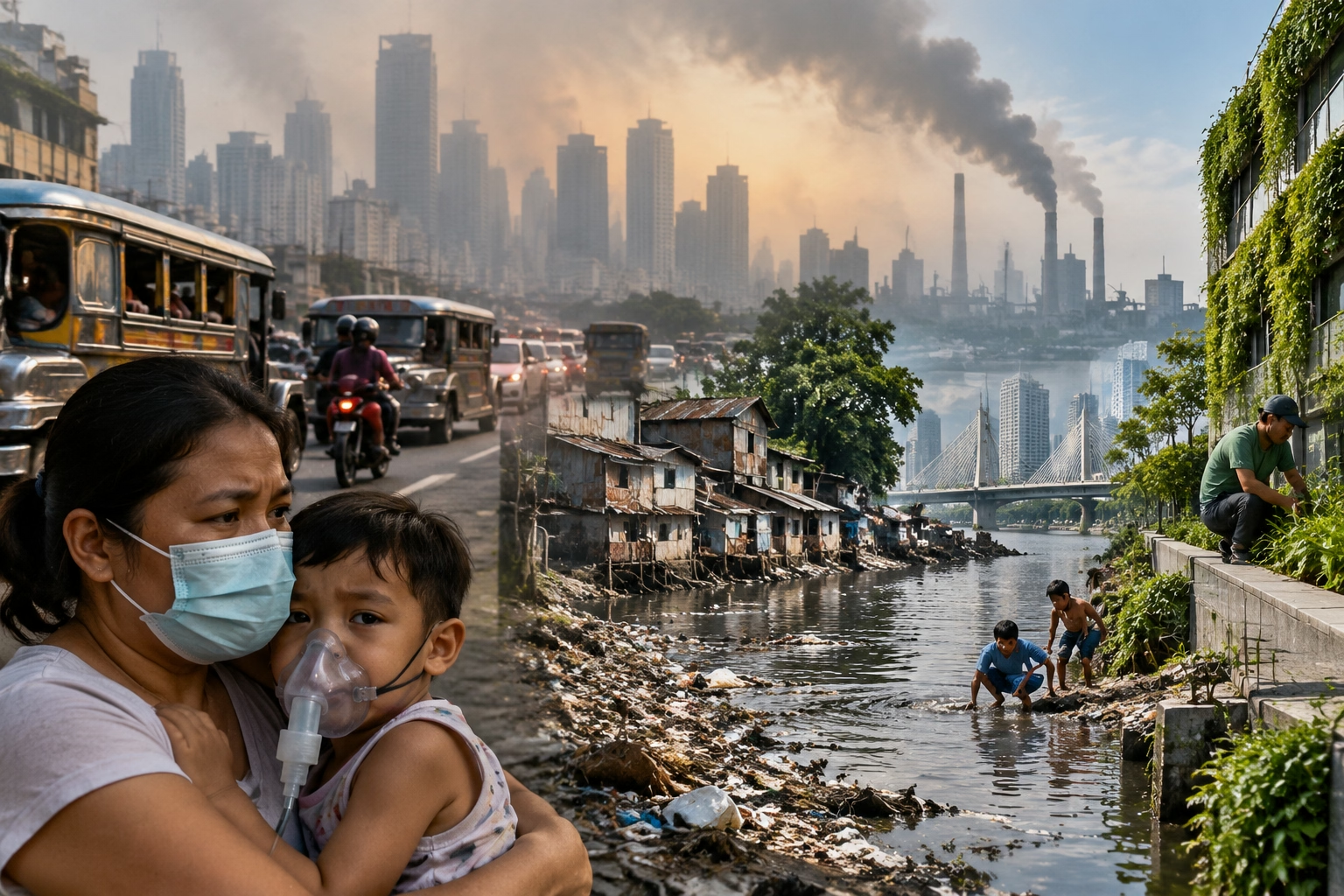
The Philippines generates over 60,000 metric tons of solid waste daily, a figure that has only grown with the rise of e-commerce and single-use plastics. As we navigate 2026, the environmental health conversation is shifting from mere aesthetics to a full-blown medical crisis. Overflowing landfills and uncollected garbage in urban and coastal areas are not just an eyesore; they are the primary breeding grounds for disease vectors that are overwhelming the public health system.
The Aedes Aegypti Breeding Ground: A Plastic Problem
The connection between plastic pollution and dengue fever is undeniable. Discarded bottles, cups, and tire piles create perfect micro-habitats for stagnant water, allowing the Aedes aegypti mosquito to breed at unprecedented rates. The DOH’s National Dengue Prevention and Control Program has flagged 2026 as a potential epidemic year due to the El Niño phenomenon, which encourages water storage—often in open containers—combined with the sheer volume of plastic refuse.
The “4 O’Clock Habit” of searching for standing water has become a mandatory survival mechanism in barangays from Cebu to Davao. However, public health experts argue that vector control is impossible without addressing the structural waste disposal failures. The closure of major dumpsites, such as the Payatas and Rizal facilities, has led to illegal dumping in waterways, causing blockages that exacerbate flooding and spread leptospirosis.
The Biowaste Conundrum in Urban Slums
A significant portion of the waste stream is organic, yet the implementation of the Ecological Solid Waste Management Act (RA 9003) remains inconsistent. In densely populated areas, the lack of segregation at source leads to mixed waste rotting in the streets. This attracts rodents, which are carriers of hantavirus and the bacteria that cause leptospirosis.
During the monsoon season, floodwaters mix with this decaying organic matter and rodent urine, creating a toxic soup that seeps into homes. The Manila Health Department has intensified its distribution of doxycycline prophylaxis in high-risk zones, but hospitalization rates for leptospirosis remain high. The situation highlights a critical disconnect between environmental policy and on-the-ground enforcement.
A Circular Economy Shift in 2026
In response to this crisis, 2026 has seen a surge in grassroots innovation. The concept of a “Circular Economy” is finally moving from corporate jargon to tangible practice. Companies are facing stricter Extended Producer Responsibility (EPR) laws, forcing them to collect and recycle plastic packaging.
More importantly, community-based composting facilities are multiplying. In Quezon City, the “Bantay Basura” program employs local residents to manage materials recovery facilities (MRFs), ensuring that organics are diverted from the waste stream. This not only reduces the food source for disease vectors but also produces organic fertilizer for urban gardens.
The Department of Environment and Natural Resources (DENR) has also partnered with tech startups to map illegal dumpsites using satellite imaging, allowing for rapid cleanup operations. While the war on waste is far from won, the reframing of garbage as a public health hazard—rather than just an environmental one—has mobilized both funding and political will.