
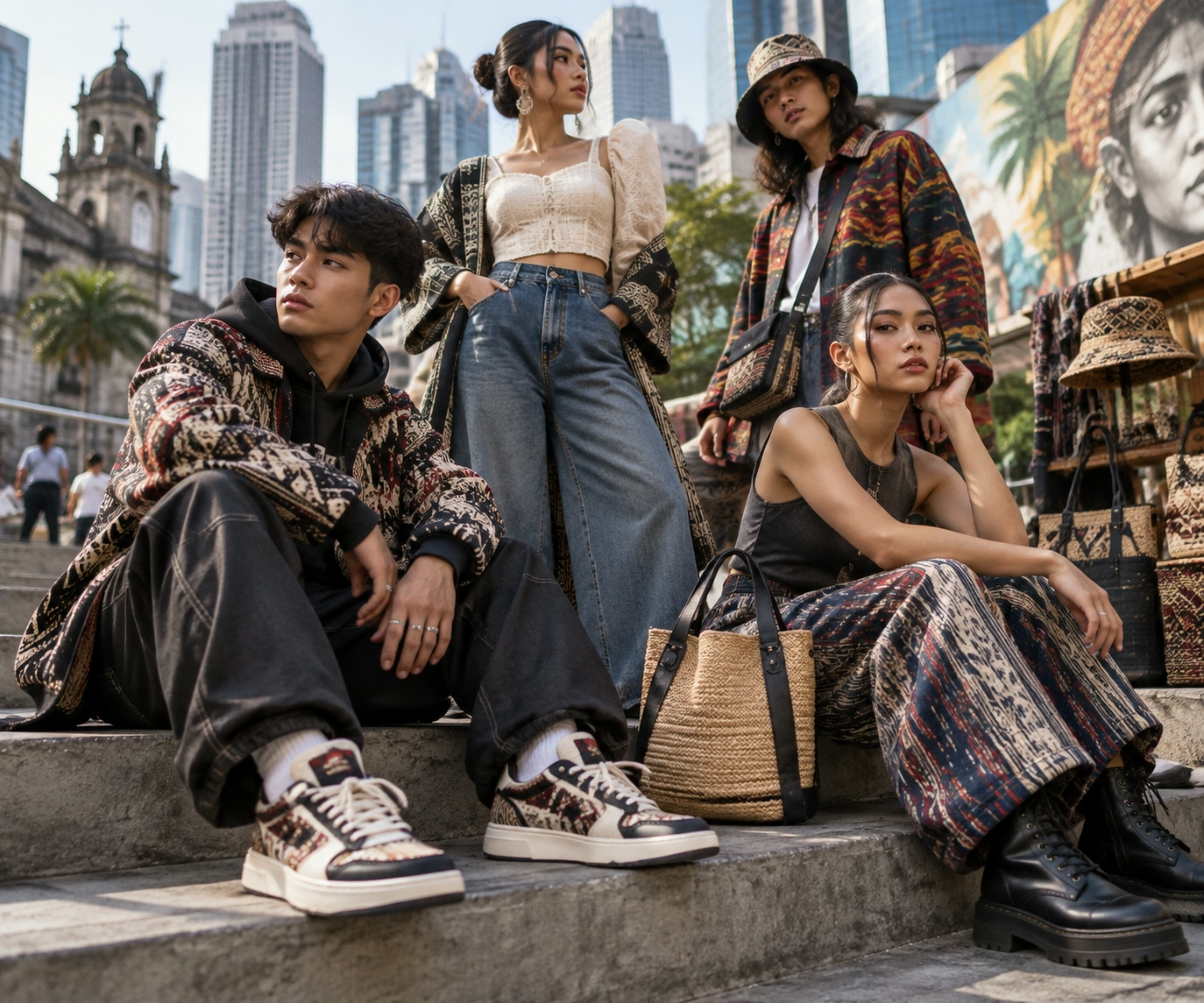
The narrative surrounding Filipino fashion in 2026 is one of dynamic tension between preserving the old and embracing the new. While the romance of the handloom remains central, a new wave of Filipino designers is proving that tradition is not static. They are aggressively incorporating modern technology and innovative design thinking to ensure that heritage fabrics like Inabel and Hablon fit seamlessly into the modern wardrobe.
Innovations in Fiber Blending
One of the most significant hurdles for traditional fabrics has been their wearability. Many pure handwoven textiles, while beautiful, can be stiff or prone to wrinkling. In 2026, the industry has moved past these limitations through advanced fiber blending. Designers and researchers are blending indigenous cotton with Tencel, bamboo fiber, and recycled polyester to create fabrics that drape beautifully and withstand the rigors of daily wear. This process, heavily supported by institutions like the Philippine Textile Research Institute (PTRI), preserves the visual identity of the weave while significantly upgrading its functionality. This allows for the creation of everything from denim-style jackets to fluid midi dresses using traditional Ilocano patterns.
From Binary to Binakol: The Digital Design Influence
The aesthetic of Filipino textiles is also being translated for a digital-native generation. The geometric patterns of Binakol, traditionally meant to ward off evil spirits, are finding their way onto activewear and tech accessories through digital printing. While purists champion the handwoven originals, designers argue that digital replication allows for a democratization of culture. It allows younger consumers to participate in the “Filipino aesthetic” at a lower price point, while the haute couture and premium lines continue to utilize the authentic handwoven material. This dual-track approach is expanding the market significantly in 2026.
The Revival of the Traje de Mestiza
Specifically, we are seeing a revival of the Traje de Mestiza (the “Maria Clara” gown) structure. However, instead of the heavy, cumbersome satins of the past, 2026 versions utilize sheer Piña and lightweight Jusi. The silhouette is being deconstructed: the pañuelo (shawl) is being reimagined as a detachable cape for streetwear, and the voluminous sleeves are being streamlined into modern puff-sleeve blouses that pair perfectly with high-waisted trousers. This allows women to incorporate a piece of Filipino heritage into their office wear or casual outings without appearing costumed.
Sustainability as a Core Value
Modernization also encompasses the manufacturing process. The 2026 Filipino fashion industry is hyper-focused on zero-waste design. Pattern makers are utilizing the entire width of the loom to minimize offcuts. Furthermore, the use of natural, non-toxic dyes has become a standard requirement for brands marketing themselves as “Heritage” or “Eco-Filipino.” Consumers are demanding transparency, and the technology of blockchain is beginning to be tested to track the journey of a garment from the cotton farm in the North to the final retail rack in Manila or abroad.
The current initiatives regarding textile innovation and industry standards can be verified through the Department of Science and Technology’s ongoing research publication: https://www.dost.gov.ph/