
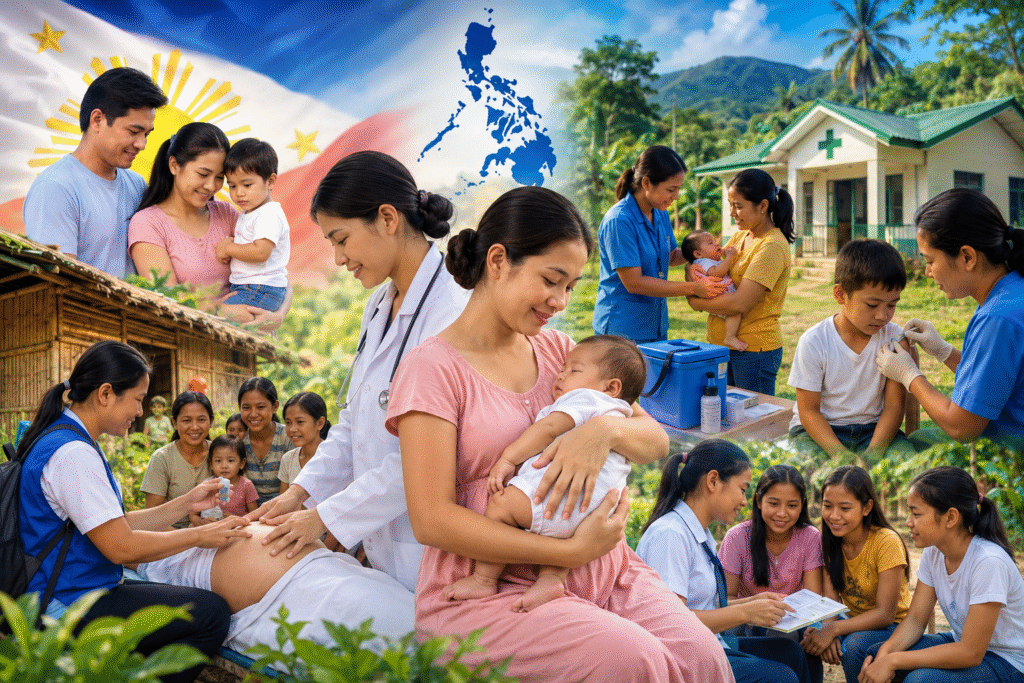
The health and well-being of mothers and children are critical to the development of any nation, and in the Philippines, efforts are being made to address these issues through various programs and initiatives. With maternal and child health being a major concern, particularly in rural and impoverished regions, the Philippine government and numerous non-government organizations (NGOs) are working together to improve healthcare access and outcomes for these vulnerable groups.
One of the most significant developments in maternal and child health in the Philippines is the Maternal, Newborn, and Child Health and Nutrition (MNCHN) Strategy, which was launched by the Department of Health (DOH). This strategy focuses on providing comprehensive and integrated care for mothers and children throughout the stages of pregnancy, childbirth, and early childhood. The program includes essential services like antenatal check-ups, skilled birth attendance, neonatal care, immunization, and nutrition interventions.
The Family Planning Program is another key initiative that aims to reduce maternal and child mortality by providing access to family planning services. It encourages the use of modern contraception methods, particularly among women in rural areas where fertility rates are higher. By reducing the number of unintended pregnancies, this program aims to lower the risk of complications during pregnancy and childbirth.
Alongside government efforts, several NGOs are working to address gaps in maternal and child health. UNICEF Philippines has been instrumental in promoting breastfeeding, immunization, and nutrition programs. Their initiatives focus on educating mothers about the importance of early childhood nutrition and providing necessary support to ensure children grow up healthy and strong.
The Philippine Red Cross also plays a crucial role in improving maternal and child health by providing mobile health clinics in underserved areas, offering prenatal care, immunizations, and delivery services. These mobile units help reach isolated communities that otherwise have limited access to healthcare facilities.
Despite these efforts, there are still challenges, particularly in terms of healthcare infrastructure. The lack of hospitals in remote areas, inadequate medical equipment, and a shortage of trained medical professionals are among the barriers that hinder progress. Additionally, cultural factors and a lack of health literacy in rural communities can limit the effectiveness of these programs. Continuous efforts from all sectors are necessary to address these issues and ensure that no mother or child is left behind.