
The Moment Filipino Sweets Entered the Global Fine Dining Conversation
In April 2026, something unprecedented happened in the world of gastronomy. The Michelin Guide, the most prestigious culinary authority globally, turned its attention to Filipino desserts. In a social media post that resonated across the international food community, the Guide declared the Philippines an ideal destination for those with a sweet tooth, framing dessert not merely as a final course but as “a moment”.
This recognition marks a significant milestone for Philippine cuisine, which has historically been underrepresented in global fine dining rankings despite its richness and complexity. The Michelin Guide highlighted specific desserts served in restaurants that had earned various distinctions, signaling that Filipino sweets are ready for the world stage.
The Desserts That Caught Michelin’s Attention
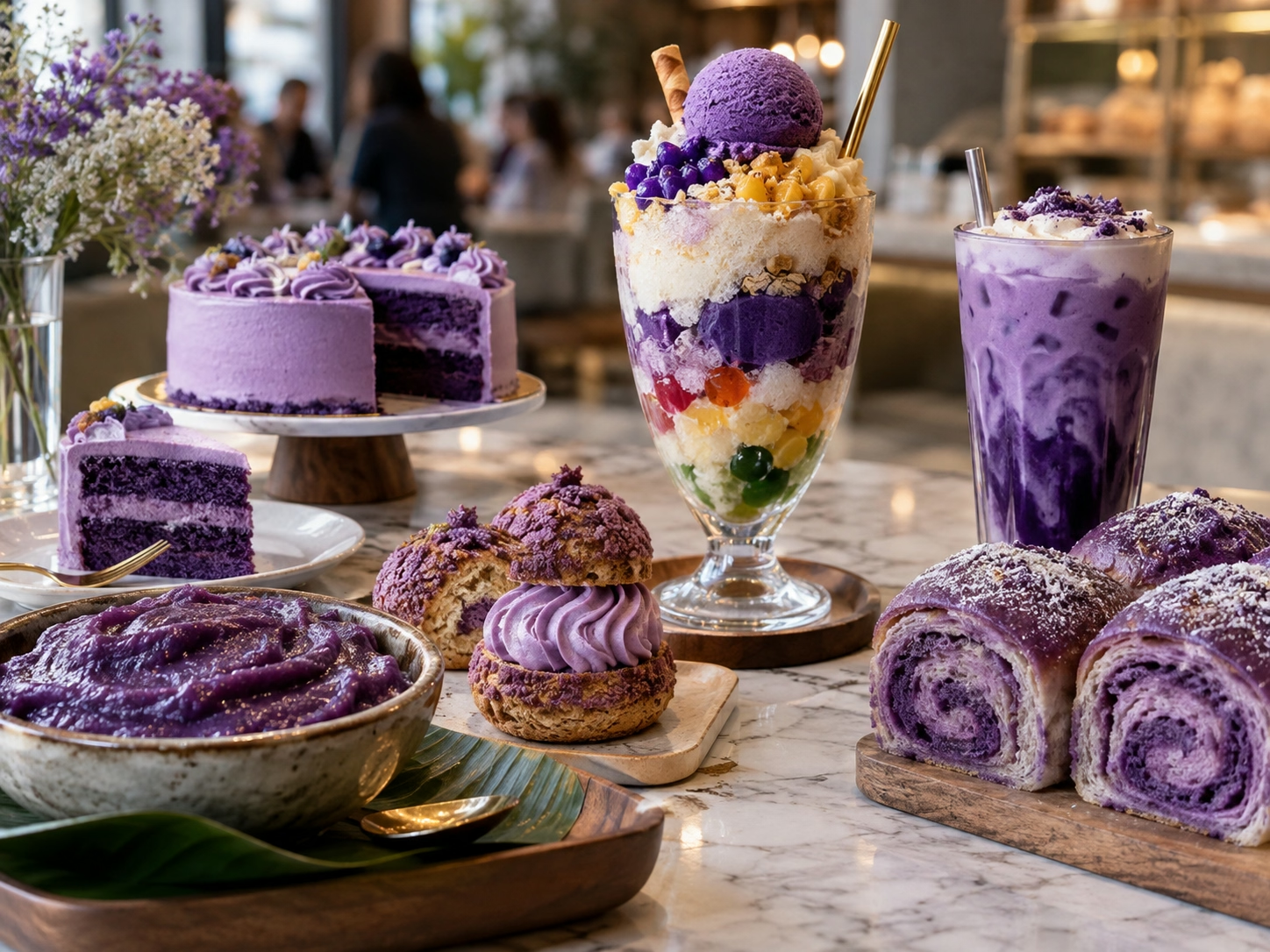
The Guide featured an impressive lineup of Filipino desserts from restaurants across the archipelago. Halo-halo from Sarsa and Palm Grill represented the iconic shaved ice dessert in its most refined form. Leche Flan from Hapag showcased the Spanish-influenced custard that has become a Filipino staple. Sorbetes from Offbeat highlighted the local ice cream tradition, while Turon from Lasa presented the beloved banana spring roll in a fine dining context. The (savory) Ube from Kása Palma demonstrated the versatility of the purple yam.
The restaurants behind these desserts represent the upper echelon of Philippine dining. Hapag and Kása Palma both received one Michelin star at the inaugural Michelin Guide Philippines, alongside other notable establishments. Sarsa, Palm Grill, and Lasa were awarded Michelin Bib Gourmand distinctions, recognized for consistently offering high-quality food at value-for-money prices.
The Cultural Significance of “Panghimagas”
The Michelin Guide’s recognition goes beyond mere culinary appreciation. It acknowledges the cultural framework within which Filipino desserts exist. The Guide noted that Filipino desserts, known as “panghimagas,” are not restricted to after-meal consumption but can be enjoyed anytime, including as merienda or afternoon snacks. This flexibility reflects the Filipino approach to food as a source of comfort and community rather than a rigidly structured dining ritual.
The concept of “himagas,” a palate cleanser that washes away rich savory flavors with something refreshing and sweet, was also highlighted. This nuanced understanding of Filipino dessert culture demonstrates that the international culinary establishment is paying attention not just to flavors but to the rituals and meanings embedded in Philippine food traditions.
What This Means for Philippine Culinary Tourism
The Michelin Guide’s spotlight on Filipino desserts comes at a pivotal moment for Philippine culinary tourism. Food-focused travel has become a major segment of the global tourism industry, and destinations with strong culinary identities attract visitors seeking authentic experiences.
For local restaurants and dessert makers, this recognition provides validation and visibility. It signals to international travelers that the Philippines offers not just beautiful beaches and warm hospitality but also a sophisticated dessert culture worthy of dedicated exploration. The featured establishments are primarily located in Makati, with Palm Grill in Quezon City and Lasa in Cebu, providing a geographic spread that encourages culinary tourism across different regions.
A Foundation for Future Growth
The Michelin Guide’s attention to Filipino desserts in 2026 is not an endpoint but a beginning. It opens doors for more Filipino chefs and dessert artisans to gain international recognition. It encourages innovation while honoring tradition. And it invites the world to discover the depth and diversity of Philippine sweets—from the humble street-side taho to the elevated creations now gracing Michelin-recognized tables.
For anyone who has long appreciated the magic of Filipino desserts, this recognition feels overdue yet perfectly timed. The world is finally catching up to what Filipinos have always known: that the Philippines is one of the world’s great dessert destinations.