
The label executive used to decide who became a star. In the Philippines of 2026, that authority has been decisively transferred to the group chat. A peer-reviewed study published in the NIDA Case Research Journal by Gimoto et al. (2025) found a direct correlation between the participatory culture of Filipino Gen Z fans on social media and the recognition of new generation P-Pop groups . The research describes fans not as passive consumers, but as active participants in promotion, circulation, and community-building—effectively functioning as an unpaid but extraordinarily effective A&R department .
The Mechanics of Fan-Led Discovery
The pathway to visibility for a rising group like VVINK or YGIG—both introduced as part of Billboard Philippines’ P-pop Class of 2026—rarely follows a traditional radio push . It begins with a TikTok edit, a viral dance challenge, or a clip from a livestream that gets clipped and re-shared by fan accounts. The academic framework of cultural hybridization helps explain why this works: local management has adapted the rigid K-pop training system but softened its edges with Filipino lyrics, humor, and accessibility . Fans are not just consuming a product; they are co-authoring the narrative of the group’s rise.
The Convention as a Feedback Loop
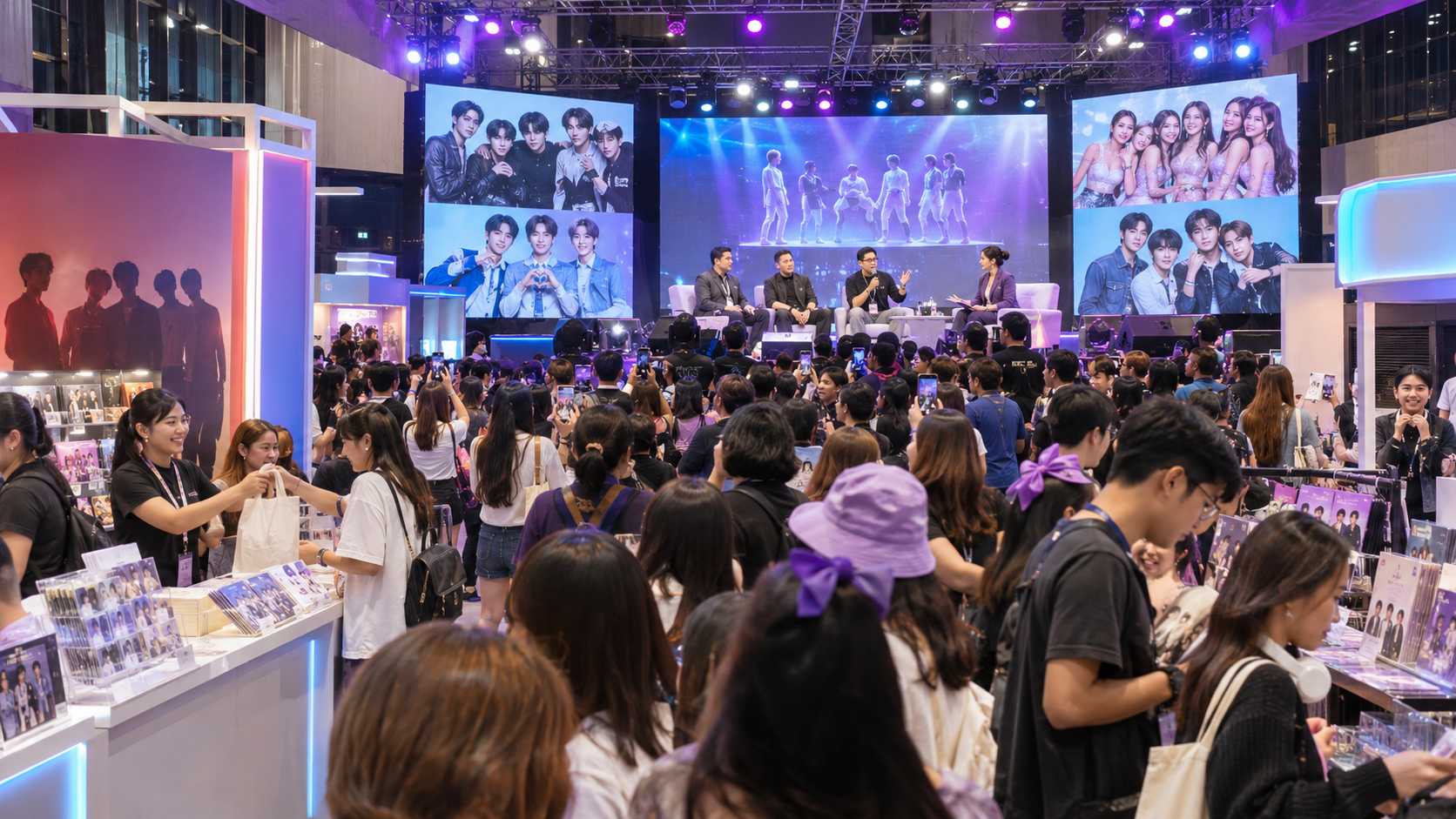
This is where the physical convention becomes essential. The digital labor of streaming and voting is validated in the physical space of an event like P-POP UNITE. When a fan who has spent months pushing a nugu group online finally sees them perform on a Billboard-backed stage, the emotional payoff is immense. It confirms that their labor mattered. The convention then generates new content—fancams, backstage clips, interviews—that feeds back into the digital ecosystem, restarting the cycle . The industry has learned to harness this loop rather than fight it.
The Implications for Industry Infrastructure
For labels, the message is clear: the old gatekeeping model is obsolete. The fans have already built the gates, the roads, and the traffic signals. What the industry provides now is the scaffolding—the stages, the distribution deals, the brand partnerships. The 2026 convention was the clearest physical manifestation of this new contract. The fans brought the energy and the audience; the industry brought the venue and the sponsors. Neither could have pulled off a convention of this scale alone. The ecosystem is not just collaborative; it is co-dependent.