
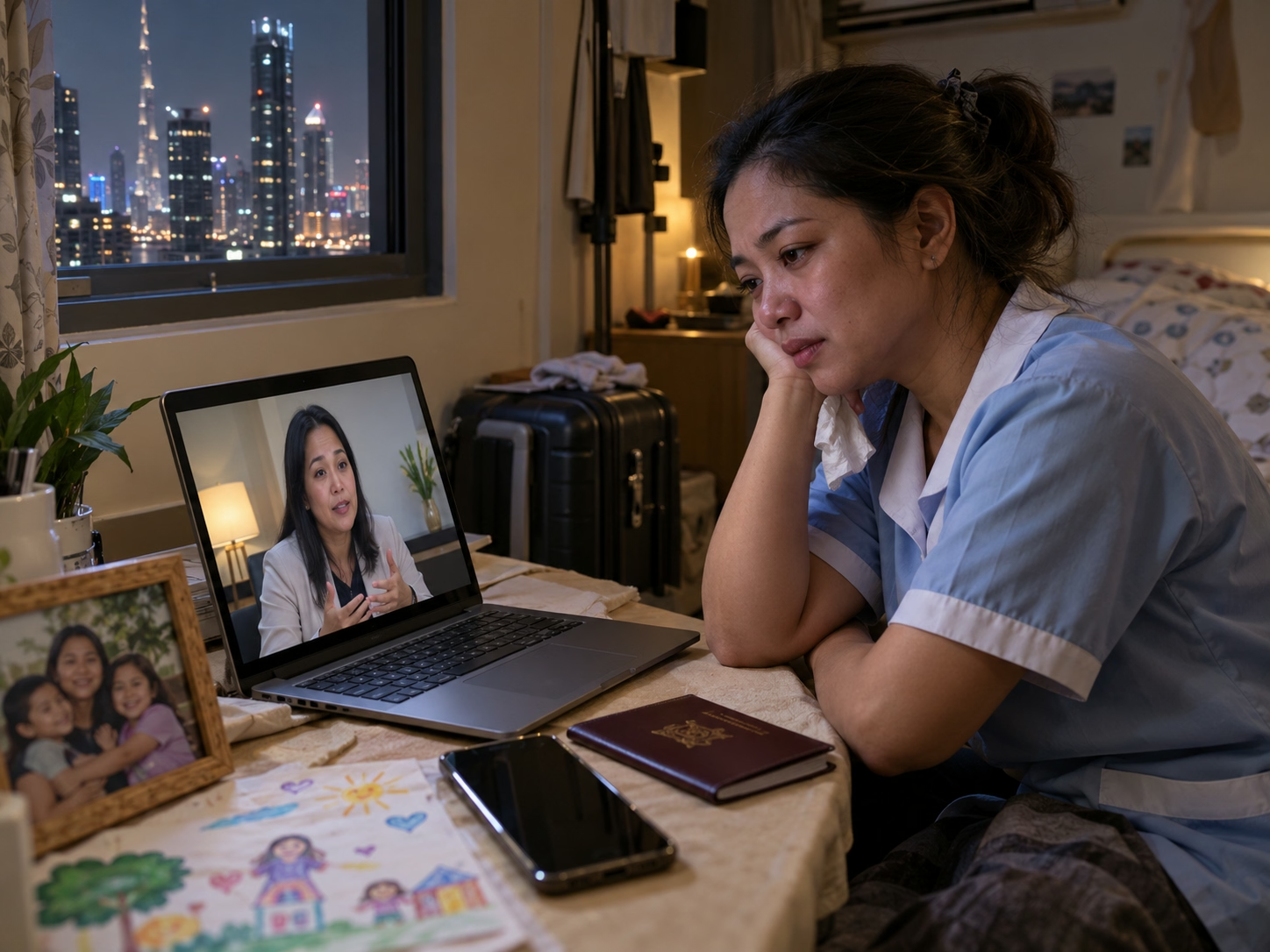
Beyond Physical Health: The Psychological Toll of Migration
While policy discussions around migrant worker healthcare frequently centre on physical ailments—cardiovascular disease, tuberculosis, and workplace injuries—a parallel crisis of comparable severity remains underaddressed. The mental health of Filipino migrant workers constitutes what researchers have termed a “profound gap” in access and affordability of quality care, particularly for distressed workers taking refuge in government welfare shelters worldwide.
Quantifying the Burden
Epidemiological data reveals alarming patterns. Among OFWs in the Middle East, depression rates range between 20% and 30%, significantly exceeding baseline population estimates. A study published in the International Journal of Environmental Research and Public Health found that 12% of Filipino Americans reported serious psychological distress—a rate higher than the United States national average.
These figures acquire additional gravity when contextualized within the structural conditions of migrant labour: isolation from family networks, language barriers, precarious legal status, and workplace environments that frequently discourage disclosure of psychological vulnerability. Research on Filipino migrant domestic workers in Taiwan documented sleep deprivation, food insecurity, and heightened mental stress stemming from living and working conditions, with some participants receiving threats of contract termination and deportation from labour brokers.
Telepsychiatry as an Emerging Solution
A national stakeholder forum convened in November 2024 with 32 representatives from government agencies, professional organizations, and policy implementers produced a framework for integrating telepsychiatry services delivered by Filipino mental health professionals into existing OFW programs. The study identified five critical implementation themes: perceived benefits and opportunities, technical infrastructure limitations, policy framework requirements, health financing considerations, and service delivery infrastructure.
The findings emphasized that successful telepsychiatry integration “requires coordinated health system strengthening across multiple sectors, tackling policy, financing, and service delivery components simultaneously”. This multi-dimensional approach acknowledges that technology alone cannot resolve a crisis rooted in structural conditions.
Government Response: Kumustahan and Psychosocial Interventions
The DMW has expanded mental health support through psychosocial interventions coordinated with the Department of Health and the Department of Social Welfare and Development. Returning OFWs receive counselling under the agency’s “Kumustahan” reintegration program, while similar support extends to workers overseas through online and community-based sessions.
Regional implementation has accelerated. The DMW Caraga office activated a quick response team and opened an OFW help desk amid Middle East tensions, conducting capability enhancement training focused on Psychological First Aid (PFA) to equip responders with skills in immediate emotional and psychosocial support. Separately, a “kumustahan” cum psychosocial support session for women OFWs and their families benefited 18 participants, providing a space for open dialogue, emotional support, and self-reflection.
The Department of Social Welfare and Development provided psychological first aid to all 4,398 repatriated and stranded OFWs it served in 2026, addressing trauma stemming from Middle East conflict. Upon arrival at airports, social workers assess returning workers to determine appropriate psychosocial support and other forms of aid.
The Cultural Dimension of Care
Research consistently underscores the need for culturally appropriate mental health services. Filipino migrant workers navigate what researchers describe as “grey areas” in English-language proficiency, particularly older workers managing chronic conditions who experience anxiety about explaining symptoms and fear that asking questions may convey distrust in healthcare providers.
The concept of ginhawa—holistic well-being in Filipino cultural frameworks—has been applied to understand how Filipina migrant domestic workers reconceptualize personal health as subordinate to their ability to provide for families back home. This cultural reorientation of health priorities complicates both diagnosis and treatment, as workers may dismiss psychological symptoms as acceptable costs of migration.
Looking Forward
The integration of mental health services into migrant benefit packages and the institutionalization of telepsychiatry represent necessary but insufficient steps. Researchers call for prioritizing mental health and inclusive services while addressing the specific needs of women, children, LGBTQIA individuals, and persons with disabilities. The challenge ahead lies in transforming these frameworks into accessible, sustained, and culturally resonant systems of care.